
Under California Probate Code Section 6110, a valid Last Will and Testament is the primary instrument for directing the distribution of probate assets and appointing fiduciaries to manage your final affairs. For high-net-worth individuals in San Diego, the document must be drafted with forensic precision to withstand challenges regarding testamentary capacity or undue influence. By integrating 35+ years of legal mastery with CPA-led oversight, we ensure your Will provides a clear, defensible roadmap for the San Diego Superior Court. This disciplined approach minimizes administrative friction and provides for the orderly transfer of personal property, real estate, and digital assets, anchoring your legacy in strict compliance with California’s statutory mandates.
Do I need a San Diego will, and what rule matters most under California Law?
If you want your instructions followed with the least friction, the rule is execution discipline: a will must be properly signed and witnessed, and the final document must be preserved in a way your executor can actually produce. Under California Law, defects in formalities and missing originals can invite delay and disputes. Legal Basis: PROB § 6110.
- Clarity: your dispositive plan reads cleanly, without “interpretation work.”
- Continuity: your fiduciary can act without improvisation.
- Defensibility: your file supports capacity, intent, and proper execution.
- Control: your San Diego assets are handled with orderly authority.
How I handle last will and testament services for San Diego families
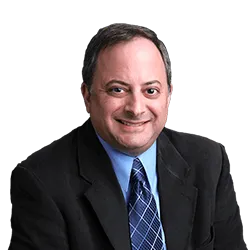
I’m Steve Bliss—an Estate Planning Attorney and CPA in San Diego—and for more than 35 years my focus has been quiet control: clean execution, credible records, and documents that a future fiduciary can administer without drama. In neighborhoods like Del Mar and Mission Hills, the stakes are rarely the “idea” of a will; they are the operational realities when someone needs to act quickly and privately.
A common San Diego pattern is a blended family, titled real property, and financial accounts that don’t match the client’s intent. The will can direct probate assets, but it cannot correct beneficiary designations or ownership gaps by wishful thinking, so we coordinate the entire ownership story under California Law and document capacity in a way that remains readable years later. Legal Basis: PROB § 6100.5.
- Inventory first: title, beneficiaries, and where the will actually controls.
- Execution second: a signing process that can be proven, not just remembered.
- Storage third: a custody plan so the original is locatable when it matters.

My CPA lens shows up in the practical questions: what is the balance sheet, what is likely to be sold, and what tax posture could be created by careless planning. Even when a will is the right tool, we keep basis awareness and capital gains exposure in view so your plan is livable for the people administering it.
This is general information under California Law; specific facts change strategy.
Strategic Insight (San Diego): In Rancho Santa Fe, the “problem” is often not a missing plan—it’s an untestable plan. The preventative move is to build a defensible execution and custody file (who witnessed, where the original lives, how it will be produced), so if a dispute ever arises the record reads as orderly compliance rather than reconstruction. Legal Basis: PROB § 6110.
Why San Diego realities plus California Law change the outcome
In San Diego County, wills most often fail at the intersection of people and property: blended families, second marriages, and high-value real estate where carrying costs and maintenance decisions must continue seamlessly. California Law gives you tools, but it also imposes structure, and a will that is unclear, improperly executed, or out of date can hand control to process instead of intention. Legal Basis: PROB § 6120.
Discretion matters in San Diego. A well-run plan aims for privacy through clean governance and correct titling so routine administration does not require unnecessary third-party exposure, while still remaining defensible if a contest is filed. When a will is contested, California procedure sets the posture, including what must be filed and how objections are framed. Legal Basis: PROB § 8250.
- Property operations: rentals and second homes need clear authority to pay, repair, and insure.
- Local finance: access to accounts and lines of credit can turn on paper authority, not relationships.
- Challenge posture: if a dispute arises, your document set becomes evidence.
Fiduciary exposure in will-based planning
In a will plan, the executor is the pressure point: they must marshal assets, communicate with beneficiaries, and keep the administration readable. I plan for fiduciary safety by choosing the right person, defining authority with discipline, and reducing ambiguity that later looks like self-dealing or favoritism. Legal Basis: PROB § 8400.
The most avoidable risk is custody failure: when the original will can’t be located or isn’t delivered appropriately, the family loses time and control before anything meaningful even begins. In my files, we treat custody as part of the legal work, not an afterthought. Legal Basis: PROB § 8200.
- Outdated will language after remarriage, new children, or a change in asset mix.
- Execution shortcuts that later create doubt about witnessing or intent.
- Choosing an executor without considering conflict, geography, or administrative capacity.
- Instructions that ignore how assets are actually titled or designated.
- Missing original documents, unclear custody, or no plan for production.
- Unequal distributions without an explanation framework, inviting suspicion.
- Over-reliance on “family understanding” instead of written governance.
Tax and accounting posture
As a CPA, I treat wills as part of a larger accounting reality: what is the estate’s actual balance sheet, what needs liquidity, and what will be sold versus distributed in kind. In La Jolla and Carmel Valley, where appreciation can be material, we keep basis awareness and capital gains exposure in view so the administration doesn’t force a distressed decision later.
- Document the asset map, not just the wishes.
- Keep beneficiary designations and titles aligned with your plan year after year.
- Assume future review: build a file your executor can defend calmly.
The “Immediate 5” intake questions I use for wills in San Diego
1) What makes a will legally valid in California Law if it is later questioned?
Validity begins with formal execution: the will should be signed by the testator and properly witnessed, with a signing process that can be proven later. If capacity is attacked, the record should also support that you understood the nature of the act, your property, and the people affected by your decisions. Legal Basis: PROB § 6110.
FAQ Answer (Plain Text): Validity begins with formal execution: the will should be signed by the testator and properly witnessed, with a signing process that can be proven later. If capacity is attacked, the record should also support that you understood the nature of the act, your property, and the people affected by your decisions. Legal Basis: PROB § 6110.
2) How do you protect a will from capacity challenges and “pressure” allegations?
The protection is procedural and factual: you document independence, timing, and clarity so the story does not rely on memory years later. California Law provides a capacity framework for testamentary decisions, and I structure the meeting flow and file notes so the record reads as calm, voluntary, and consistent with the plan. Legal Basis: PROB § 6100.5.
FAQ Answer (Plain Text): The protection is procedural and factual: you document independence, timing, and clarity so the story does not rely on memory years later. California Law provides a capacity framework for testamentary decisions, and I structure the meeting flow and file notes so the record reads as calm, voluntary, and consistent with the plan. Legal Basis: PROB § 6100.5.
3) What is the cleanest way to update or revoke a will without creating confusion?
Updates should be handled as a controlled replacement, not a patchwork of papers that invite interpretation fights. California Law recognizes revocation methods, but the practical goal is one coherent document set with clear dates, clean execution, and custody discipline so no one has to guess what governs. Legal Basis: PROB § 6120.
FAQ Answer (Plain Text): Updates should be handled as a controlled replacement, not a patchwork of papers that invite interpretation fights. California Law recognizes revocation methods, but the practical goal is one coherent document set with clear dates, clean execution, and custody discipline so no one has to guess what governs. Legal Basis: PROB § 6120.
4) When does a handwritten will matter, and why is it risky in high-asset situations?
A handwritten will can be valid in California under specific rules, but in higher-value estates it often creates avoidable ambiguity around intent, completeness, and later administration steps. Where San Diego families own real property or operate a business, the goal is usually controlled clarity and a defensible record rather than a document that increases interpretive pressure. Legal Basis: PROB § 6130.
FAQ Answer (Plain Text): A handwritten will can be valid in California under specific rules, but in higher-value estates it often creates avoidable ambiguity around intent, completeness, and later administration steps. Where San Diego families own real property or operate a business, the goal is usually controlled clarity and a defensible record rather than a document that increases interpretive pressure. Legal Basis: PROB § 6130.
5) What is the first practical step to make sure my will can actually be used in San Diego?
The first step is a custody and access plan: identify who will hold the original, how it will be produced promptly, and how your executor will learn what exists without rummaging through private records. California Law imposes duties around delivering the will after death, and planning for that duty protects time, privacy, and administrative control. Legal Basis: PROB § 8200.
FAQ Answer (Plain Text): The first step is a custody and access plan: identify who will hold the original, how it will be produced promptly, and how your executor will learn what exists without rummaging through private records. California Law imposes duties around delivering the will after death, and planning for that duty protects time, privacy, and administrative control. Legal Basis: PROB § 8200.
If Michael’s story feels familiar, the right next move is not “more paperwork.” It’s a controlled will review that fixes execution, coordination, and custody so your plan reads as orderly in San Diego, not improvised when people are under stress.

For many San Diego families, the highest value is administrative continuity: the right person can act, the records explain themselves, and the plan does not invite avoidable conflict.
Procedural realities that determine whether a will holds up
A) Evidence and documentation discipline
In will planning, the “evidence” is the execution and intent file: who was present, how capacity was assessed, and how the final document was signed and preserved. If a will is challenged, the formalities and the record quality often determine whether the dispute gains traction. Legal Basis: PROB § 6110.
Capacity disputes are rarely won with opinions; they are won with timing, consistency, and clean documentation that reads the same way years later. California Law provides the capacity framework, and I build the file to match that framework rather than relying on family narratives. Legal Basis: PROB § 6100.5.
- Drafted documents vs the signed execution package (what controls)
- Custody plan vs missing original risk (how the will is produced)
- Timeline consistency for capacity, amendments, and execution (why then, why that)
- Tie to California enforceability and later dispute prevention (a coherent record)
B) Negotiation vs contested-proceeding reality
If a dispute arises, the tone shifts quickly: questions become pleadings, and the file becomes the case. California procedure governs the posture for a will contest, including how the contestant must proceed and what gets framed as an “issue” for the court to decide. Legal Basis: PROB § 8250.
The practical goal of good planning is to reduce the number of “interpretation opportunities,” because every gap invites leverage. When the record is clean and custody is controlled, disputes are more likely to narrow into solvable issues instead of expanding into years of friction. Legal Basis: PROB § 6120.
- What changes if planning fails: the document set becomes evidence
- How disputes form: ambiguity, custody gaps, and inconsistent updates
- Procedural reality only: the cleaner the record, the narrower the fight tends to be
C) Complex scenarios that routinely surface in San Diego
Digital assets and cryptocurrency are no longer edge cases. Where this becomes relevant is fiduciary access: if your executor cannot lawfully and practically access accounts, keys, and custodial platforms, administration can stall even when the will is clear. Legal Basis: PROB § 870.
No-contest clauses are frequently misunderstood. Where this becomes relevant is when you are using a will to establish governance expectations in a family system: enforceability has boundaries, and a clause drafted or invoked incorrectly can create noise without creating control. Legal Basis: PROB § 21311.
Community property and spousal rights change assumptions in San Diego planning, especially after remarriage or when business interests are involved. Where this becomes relevant is when ownership characterization is disputed; the will cannot override property characterization problems that should have been handled earlier. Legal Basis: FAM § 760.
- Digital access planning prevents “locked estate” scenarios and avoidable delay.
- Realistic clause drafting reduces conflict instead of escalating it.
- Property characterization hygiene protects the plan from a predictable challenge posture.
Lived Experiences
Nicole B.
“We needed a will that felt private and controlled, not theatrical. Steve clarified our options, aligned the paperwork with how our assets were actually held, and left us with a plan our executor can run without confusion. The outcome was clarity, reduced tension, and real peace of mind.”
Matthew J.
“Our family situation was complicated, and I was worried that a will would become a future argument. Steve’s process was calm and extremely organized, and the final documents felt defensible rather than fragile. The practical result was more privacy, less uncertainty, and a plan we can live with.”
California Statutory Framework & Legal Authority
|
Attorney Advertising, Legal Disclosure & Authorship
ATTORNEY ADVERTISING.
This content is provided for general informational and educational purposes only and does not constitute legal, financial, or tax advice.
Under the California Rules of Professional Conduct and State Bar advertising regulations, this material may be considered attorney advertising.
Reading this content does not create an attorney-client relationship or any professional advisory relationship.
Laws vary by jurisdiction and are subject to change, including recent 2026 developments under California’s AB 2016 and evolving federal estate and reporting requirements.
You should consult a qualified attorney or advisor regarding your specific circumstances before taking action.
Responsible Attorney:
Steven F. Bliss, California Attorney (Bar No. 147856).
Local Office:
San Diego Probate Law3914 Murphy Canyon Rd San Diego, CA 92123 (858) 278-2800
San Diego Probate Law is a practice location and trade name used by Steven F. Bliss, Esq., a California-licensed attorney.
About the Author & Legal Review Process
This article was researched and drafted by the Legal Editorial Team of the Law Firm of Steven F. Bliss, Esq.,
a collective of attorneys, legal writers, and paralegals dedicated to translating complex legal concepts into clear, accurate guidance.
Legal Review:
This content was reviewed and approved by Steven F. Bliss, a California-licensed attorney (Bar No. 147856).
Mr. Bliss concentrates his practice in estate planning and estate administration, advising clients on proactive planning strategies and representing fiduciaries in probate and trust administration proceedings when formal court involvement becomes necessary.
With more than 35 years of experience in California estate planning and estate administration,
Mr. Bliss focuses on structuring enforceable estate plans, guiding fiduciaries through court-supervised proceedings,
resolving creditor and notice issues, and coordinating asset management to support compliant, timely distributions and reduce fiduciary risk.
|