

Common Misconceptions About Estate Planning?
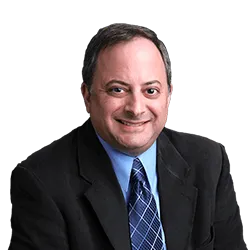
What are some of the biggest misconceptions people have about estate planning?

One of the most common misunderstandings is that estate planning is only for the wealthy or elderly. This couldn’t be further from the truth. Estate planning is about preparing for the inevitable – life changes, incapacity, and ultimately, death – regardless of your net worth. A young couple with a mortgage and children needs a plan just as much as someone with significant assets. It’s about control, protecting loved ones, and ensuring your wishes are honored.
Another frequent misconception is that a will is all you need. While a will is a foundational document, it often isn’t enough. A will goes through probate, a public court process that can be time-consuming, expensive, and emotionally draining. A comprehensive estate plan often includes a revocable living trust, which allows your assets to bypass probate, providing greater privacy and efficiency.
Finally, many people believe they can simply download a template online and create a valid estate plan themselves. While DIY options are available, they rarely address the complexities of individual circumstances. A poorly drafted document can create more problems than it solves, leading to costly legal battles and unintended consequences.
I’ve practiced estate planning and tax law in San Diego for over 35 years, and I’ve seen firsthand the devastation caused by inadequate planning. It’s not just about avoiding taxes; it’s about protecting your family and ensuring a smooth transition of your legacy.
How does a CPA-Attorney differ from a traditional estate planning attorney?
Estate planning isn’t just a legal exercise; it’s deeply intertwined with financial considerations. As both an attorney and a CPA, I’m uniquely positioned to address both aspects of your plan. A traditional attorney may focus solely on the legal documents, while I can also analyze the tax implications of various strategies.
For example, understanding the “step-up in basis” is crucial. When you inherit an asset, its tax basis is adjusted to its fair market value at the time of death, potentially eliminating capital gains taxes. A CPA-Attorney can structure your estate to maximize this benefit. We also consider valuation issues, ensuring assets are accurately appraised for tax purposes. This is especially important for business owners with closely held companies.
In San Diego, we frequently encounter complex family dynamics and business structures. My dual expertise allows me to navigate these challenges effectively, minimizing tax liabilities and protecting your assets for future generations.
What is the role of a trust in estate planning?
A trust is a powerful tool that allows you to control how and when your assets are distributed. Unlike a will, which becomes public record through probate, a trust remains private. This can be particularly important if you have concerns about family disputes or want to protect your beneficiaries’ privacy.
There are various types of trusts, each with its own advantages and disadvantages. A revocable living trust allows you to maintain control of your assets during your lifetime and easily amend the trust as your circumstances change. An irrevocable trust, on the other hand, offers greater asset protection and tax benefits but requires relinquishing some control.
Proper trust funding is essential. Simply creating a trust document isn’t enough; you must transfer ownership of your assets into the trust. This involves retitling deeds, updating bank accounts, and changing beneficiary designations. It’s a meticulous process, and failing to properly fund the trust can defeat its purpose.
What happens if I become incapacitated without an estate plan?
If you become incapacitated without a properly drafted power of attorney, your family may need to go to court to obtain guardianship or conservatorship. This process can be expensive, time-consuming, and emotionally stressful. A durable power of attorney allows you to designate someone to manage your financial affairs if you’re unable to do so yourself.
Similarly, a healthcare directive allows you to appoint someone to make medical decisions on your behalf. Without a healthcare directive, your family may have to guess your wishes, leading to potential conflicts and unwanted medical interventions. It’s crucial to discuss your healthcare preferences with your loved ones and document them in a legally binding directive.
In California, we also recognize POLST (Physician Orders for Life-Sustaining Treatment) forms, which provide specific instructions to healthcare providers regarding end-of-life care. Understanding the difference between a healthcare directive and a POLST form is essential for ensuring your wishes are respected.
What is a pour-over will and how does it work?
A pour-over will is a safety net that ensures any assets not already titled in your trust are transferred into the trust upon your death. It’s a common component of a comprehensive estate plan, providing an extra layer of protection and simplifying the administration process.
However, it’s important to note that assets passing through a pour-over will are still subject to probate. Therefore, it’s crucial to properly fund your trust during your lifetime to minimize the need for a pour-over will. Regularly reviewing and updating your trust and will is essential to ensure they reflect your current circumstances and wishes.
We often advise clients in the San Diego area to review their estate plans every three to five years, or whenever there’s a significant life event, such as a marriage, divorce, or the birth of a child.
What are some common misconceptions about spendthrift provisions?
Spendthrift provisions are designed to protect your beneficiaries from their own poor financial decisions or creditors. They prevent beneficiaries from squandering their inheritance and shield assets from lawsuits. However, there are limitations to spendthrift protection.
For example, spendthrift provisions typically don’t protect against child support or alimony obligations. They also may not be effective if the beneficiary is declared legally incompetent. It’s crucial to understand the nuances of spendthrift provisions and tailor them to your specific circumstances.
We frequently advise clients to consider including spendthrift provisions in their trusts, especially if they have concerns about their beneficiaries’ financial responsibility. However, it’s important to balance asset protection with the beneficiary’s need for access to funds.
What are the implications of Medi-Cal recovery on my estate plan?
Medi-Cal recovery allows the state of California to recoup the costs of long-term care services from a recipient’s estate after their death. This can significantly reduce the inheritance for your loved ones. It’s crucial to understand the Medi-Cal asset look-back period and take steps to protect your assets if you anticipate needing long-term care.
Strategies for protecting assets from Medi-Cal recovery include gifting, establishing trusts, and transferring assets to family members. However, it’s important to comply with Medi-Cal’s rules and regulations to avoid penalties. Early planning is essential, as there are specific time limits and requirements.
Navigating Medi-Cal recovery can be complex. I advise clients in San Diego to consult with an experienced estate planning attorney to develop a strategy that protects their assets and ensures their loved ones are cared for.
What should I consider when nominating a guardian for my minor children?
Nominating a guardian for your minor children is one of the most important decisions you’ll make in your estate plan. This person will be responsible for raising your children if you and their other parent are unable to do so. Choose someone you trust implicitly and who shares your values and beliefs.
It’s also important to consider a backup guardian in case your first choice is unable or unwilling to serve. Discuss your wishes with potential guardians and ensure they’re willing and able to take on the responsibility. You should also consider providing financial resources to support the guardian in raising your children.
In California, the court ultimately makes the final decision regarding guardianship. However, your nomination will be given significant weight, especially if you provide a compelling rationale for your choice.
What are exclusionary clauses and how are they used in estate planning?
Exclusionary clauses allow you to disinherit a family member or exclude them from receiving any benefits from your estate. This can be a difficult decision, but it’s sometimes necessary to protect your assets or address strained relationships.
However, it’s important to be aware of the potential legal challenges to an exclusionary clause. A disinherited family member may contest the will or trust, claiming undue influence or lack of capacity. It’s crucial to document your reasons for excluding the family member and ensure the clause is drafted properly.
We advise clients in San Diego to carefully consider the potential consequences of an exclusionary clause and consult with an experienced estate planning attorney to minimize the risk of a legal challenge.
What is the difference between an immediate and springing power of attorney?
A power of attorney allows you to designate someone to manage your financial affairs. An immediate power of attorney is effective immediately upon signing, while a springing power of attorney becomes effective only upon the occurrence of a specific event, such as your incapacitation.
An immediate power of attorney offers greater flexibility but requires a high level of trust in your agent. A springing power of attorney provides more protection but requires a determination of incapacitation, which can be a complex and costly process.
We advise clients to carefully consider the pros and cons of each type of power of attorney and choose the option that best suits their needs and circumstances. It’s also important to regularly review and update your power of attorney to ensure it reflects your current wishes.
|
Attorney Advertising, Legal Disclosure & Authorship
ATTORNEY ADVERTISING.
This content is provided for general informational and educational purposes only and does not constitute legal, financial, or tax advice.
Under the California Rules of Professional Conduct and State Bar advertising regulations, this material may be considered attorney advertising.
Reading this content does not create an attorney-client relationship or any professional advisory relationship.
Laws vary by jurisdiction and are subject to change, including recent 2026 developments under California’s AB 2016 and evolving federal estate and reporting requirements.
You should consult a qualified attorney or advisor regarding your specific circumstances before taking action.
Responsible Attorney:
Steven F. Bliss, California Attorney (Bar No. 147856).
Local Office:
San Diego Probate Law3914 Murphy Canyon Rd San Diego, CA 92123 (858) 278-2800
San Diego Probate Law is a practice location and trade name used by Steven F. Bliss, Esq., a California-licensed attorney.
About the Author & Legal Review Process
This article was researched and drafted by the Legal Editorial Team of the Law Firm of Steven F. Bliss, Esq.,
a collective of attorneys, legal writers, and paralegals dedicated to translating complex legal concepts into clear, accurate guidance.
Legal Review:
This content was reviewed and approved by Steven F. Bliss, a California-licensed attorney (Bar No. 147856).
Mr. Bliss concentrates his practice in estate planning and estate administration, advising clients on proactive planning strategies and representing fiduciaries in probate and trust administration proceedings when formal court involvement becomes necessary.
With more than 35 years of experience in California estate planning and estate administration,
Mr. Bliss focuses on structuring enforceable estate plans, guiding fiduciaries through court-supervised proceedings,
resolving creditor and notice issues, and coordinating asset management to support compliant, timely distributions and reduce fiduciary risk.
|