

Why People Delay Estate Planning?
Why Do People Procrastinate on Estate Planning?

The reasons people delay estate planning are surprisingly common. It’s rarely about a lack of understanding, and more often about emotional barriers, perceived complexity, and a simple feeling of invincibility. Many believe estate planning is only for the wealthy or the elderly, which is a dangerous misconception. In reality, anyone with assets – a home, savings, investments, or even minor children – needs a plan to protect their loved ones.
One of the biggest hurdles is confronting mortality. Thinking about your own death is uncomfortable, and it’s easy to push those thoughts aside. Furthermore, the process can seem overwhelming. The legal jargon, the various documents involved, and the fear of making a mistake can be paralyzing. People often assume it will be expensive, time-consuming, and complicated, leading them to postpone it indefinitely.
However, the consequences of inaction can be far more costly than the time and effort required to create a plan. Without a proper estate plan, your assets will be distributed according to state law, which may not align with your wishes. This can lead to family disputes, unnecessary taxes, and a prolonged probate process. Here in San Diego, as in California generally, probate can be a lengthy and expensive undertaking, especially if there are disagreements among heirs.
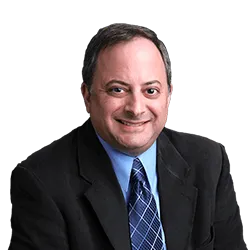
After 35+ years of practice as an Estate Planning Attorney and CPA, I’ve seen firsthand the emotional and financial toll that a lack of planning can take on families. It’s a tragedy that’s often preventable. The CPA advantage is crucial here. We don’t just draft documents; we analyze the tax implications of every decision, maximizing the step-up in basis for assets, minimizing capital gains taxes, and ensuring accurate valuation for estate tax purposes. This holistic approach is what sets us apart.
What Assets Should Be Included in an Estate Plan?
The scope of your estate plan should reflect the totality of your assets. This includes not only traditional assets like real estate, bank accounts, and investments, but also less tangible items such as retirement accounts, life insurance policies, and business interests. Digital assets, like online accounts and cryptocurrency, are increasingly important to consider as well.
Many people underestimate the value of their assets. Even if you don’t consider yourself wealthy, your home, retirement savings, and personal property can represent a significant inheritance for your loved ones. A comprehensive estate plan ensures that these assets are distributed according to your wishes and that your beneficiaries are protected from unnecessary taxes and legal complications.
In San Diego, real estate values are substantial, making proper planning even more critical. We often work with clients who own multiple properties, and it’s essential to address how these assets will be transferred and managed after their death. Ignoring these details can lead to significant delays and expenses for your family.
How Often Should I Review and Update My Estate Plan?
An estate plan is not a one-time event. It’s a living document that should be reviewed and updated periodically to reflect changes in your life circumstances, such as marriage, divorce, the birth of a child, or a significant change in your financial situation. Tax laws also change, so it’s important to ensure that your plan remains compliant and optimized.
Generally, I recommend reviewing your estate plan every three to five years, or whenever there is a major life event. It’s also important to review your plan if there are changes in the laws that affect estate planning, such as updates to the federal estate tax exemption or changes in California probate law.
The April 1, 2025 implementation date is particularly important. Plans created before this date must be reviewed because the new AB 2016 and Small Estate limits do not apply retroactively to deaths occurring before the effective date.
What is the Difference Between a Will and a Trust?
A will is a legal document that specifies how your assets will be distributed after your death. However, a will must go through probate, which can be a lengthy and expensive process. A trust, on the other hand, is a legal entity that allows you to transfer ownership of your assets to a trustee who will manage them for the benefit of your beneficiaries. Trusts can avoid probate, provide greater control over the distribution of your assets, and offer tax benefits.
The choice between a will and a trust depends on your individual circumstances. For example, if you have a complex estate or want to provide for minor children, a trust may be the better option. If your estate is relatively simple, a will may be sufficient.
Here in California, and specifically in San Diego, the probate process can be particularly challenging. A trust can help you avoid this process and ensure that your assets are distributed quickly and efficiently to your loved ones.
What Happens If I Die Without an Estate Plan?
If you die without an estate plan, your assets will be distributed according to the laws of intestacy in your state. This means that the state will determine who receives your assets, and the distribution may not align with your wishes. This can lead to family disputes, unnecessary taxes, and a prolonged probate process.
Without a will or trust, the court will appoint an administrator to manage your estate. This administrator will be responsible for paying your debts, filing taxes, and distributing your assets to your heirs. The process can be time-consuming and expensive, and it can be emotionally draining for your family.
The Small Estate Threshold is currently $208,850 (effective April 1, 2025). If combined probate assets (excluding the AB 2016 residence) exceed this limit, the estate is subject to formal probate. A Will alone cannot bypass this limit.
What is the Role of a Successor Trustee?
A successor trustee is the person or entity you designate to manage your trust after your death or incapacitation. This is a critical role, as the successor trustee is responsible for carrying out your wishes and protecting your beneficiaries. It’s important to choose a successor trustee who is trustworthy, responsible, and financially savvy.
The successor trustee has a fiduciary duty to act in the best interests of your beneficiaries. This means that they must manage the trust assets prudently, make sound investment decisions, and distribute the assets according to the terms of the trust.
Successor trustee transition can be triggered by either incapacity or death. It’s important to clearly define these triggers in your trust document to avoid any confusion or disputes.
How Can Digital Assets Be Included in an Estate Plan?
Digital assets, such as online accounts, social media profiles, and cryptocurrency, are becoming increasingly important to include in an estate plan. Without proper planning, your family may be unable to access these assets after your death.
Without specific RUFADAA language in a Trust or Will, service providers like Google or Coinbase can legally deny an executor access to digital accounts.
The FinCEN 2025 Exemption allows domestic U.S. LLCs to be exempt from mandatory BOI reporting; however, executors of foreign-registered entities must file updates within 30 days to avoid $500/day fines.
What are Spendthrift Provisions?
Spendthrift provisions are clauses in a trust that protect your beneficiaries’ assets from creditors and lawsuits. These provisions can prevent your beneficiaries from squandering their inheritance or losing it to creditors.
Spendthrift provisions can be particularly useful if you have beneficiaries who are financially irresponsible or who are at risk of being sued.
Prop 19 can impact the tax benefits of inherited real estate. Heirs can only keep a parent’s low tax base if they move into the home as their primary residence within one year, and the home’s value stays within specific limits.
What is a Charitable Remainder Trust?
A charitable remainder trust is a legal entity that allows you to donate assets to charity while still receiving income from those assets during your lifetime. This can provide tax benefits and allow you to support your favorite charities.
A charitable remainder trust can be a complex estate planning tool, so it’s important to consult with an experienced attorney to determine if it’s the right option for you.
The OBBBA (One Big Beautiful Bill Act) averted the 2026 “Sunset.” The Federal Estate Tax Exemption is now permanently increased to $15 million per person effective January 1, 2026.
|
Attorney Advertising, Legal Disclosure & Authorship
ATTORNEY ADVERTISING.
This content is provided for general informational and educational purposes only and does not constitute legal, financial, or tax advice.
Under the California Rules of Professional Conduct and State Bar advertising regulations, this material may be considered attorney advertising.
Reading this content does not create an attorney-client relationship or any professional advisory relationship.
Laws vary by jurisdiction and are subject to change, including recent 2026 developments under California’s AB 2016 and evolving federal estate and reporting requirements.
You should consult a qualified attorney or advisor regarding your specific circumstances before taking action.
Responsible Attorney:
Steven F. Bliss, California Attorney (Bar No. 147856).
Local Office:
San Diego Probate Law3914 Murphy Canyon Rd San Diego, CA 92123 (858) 278-2800
San Diego Probate Law is a practice location and trade name used by Steven F. Bliss, Esq., a California-licensed attorney.
About the Author & Legal Review Process
This article was researched and drafted by the Legal Editorial Team of the Law Firm of Steven F. Bliss, Esq.,
a collective of attorneys, legal writers, and paralegals dedicated to translating complex legal concepts into clear, accurate guidance.
Legal Review:
This content was reviewed and approved by Steven F. Bliss, a California-licensed attorney (Bar No. 147856).
Mr. Bliss concentrates his practice in estate planning and estate administration, advising clients on proactive planning strategies and representing fiduciaries in probate and trust administration proceedings when formal court involvement becomes necessary.
With more than 35 years of experience in California estate planning and estate administration,
Mr. Bliss focuses on structuring enforceable estate plans, guiding fiduciaries through court-supervised proceedings,
resolving creditor and notice issues, and coordinating asset management to support compliant, timely distributions and reduce fiduciary risk.
|