

Managing Tension Between Surviving Spouses And Adult Children?
Navigating the complexities of blended families and differing expectations requires more than just a well-written will. An experienced estate planning attorney can help proactively address potential conflicts, ensuring your wishes are not only legally sound but also sensitive to the emotional dynamics at play. This often involves a comprehensive estate planning strategy that goes beyond simply asset distribution.
One of the most common sources of tension arises when a surviving spouse remarries and decides to alter the estate plan. While legally permissible, this can understandably cause distress among adult children who anticipated inheriting certain assets. A structured estate planning framework can help mitigate these issues by establishing clear communication protocols and outlining potential scenarios for future changes.
What are the biggest challenges blended families face when it comes to estate planning?

Blended families introduce unique challenges because of the complexities of prior relationships and potentially conflicting interests. Adult children may feel protective of their inheritance, especially if they believe their step-parent is unfairly influencing the estate plan. Surviving spouses, on the other hand, may prioritize their own financial security and the needs of their new family. These differing perspectives can easily lead to disputes.
Furthermore, prenuptial agreements, while helpful in some cases, can sometimes exacerbate tensions if they are perceived as unfair or restrictive. Open and honest communication between all parties is crucial to avoid misunderstandings and ensure everyone feels heard and respected. A skilled attorney can facilitate these conversations and help create a plan that addresses everyone’s concerns.
How can a surviving spouse balance their needs with the wishes of the deceased spouse’s children?
A surviving spouse has a legal right to make changes to the estate plan after the death of their partner. However, doing so without considering the deceased spouse’s wishes and the feelings of their children can lead to significant conflict. It’s important to remember that the estate plan was likely created with specific intentions, and altering it drastically can undermine those intentions.
One approach is to seek mediation or family counseling to facilitate open communication and find common ground. Another is to consult with an attorney to explore options that address the surviving spouse’s needs while still honoring the deceased spouse’s wishes as much as possible. This might involve creating a trust that provides income to the surviving spouse for life, with the remaining assets ultimately passing to the children.
What role does a trust play in minimizing conflict in blended family estate planning?
A trust can be an invaluable tool for minimizing conflict in blended family estate planning. Unlike a will, which becomes a public record during probate, a trust remains private. This can help avoid unnecessary scrutiny and emotional distress. Furthermore, a trust allows for greater control over how and when assets are distributed.
For example, a trust can be structured to provide the surviving spouse with income for life, while also ensuring that the children eventually receive their inheritance. It can also include provisions that address specific concerns, such as protecting assets from creditors or ensuring that a child receives the support they need for education or healthcare. A coordinated estate planning structure can also help to avoid costly legal battles.
How important is it to have open communication with all family members about the estate plan?
Open communication is paramount. While it may be uncomfortable to discuss sensitive topics like death and inheritance, doing so can prevent misunderstandings and build trust. It’s important to involve all family members in the planning process, to the extent possible, and to explain the rationale behind the decisions that are made.
This doesn’t mean everyone needs to have complete control over the estate plan, but it does mean they should be informed and have an opportunity to voice their concerns. A structured estate planning representation can help facilitate these conversations and ensure that everyone feels heard and respected. Ignoring these conversations can lead to resentment and legal challenges down the road.
What steps can adult children take if they believe a surviving spouse is unfairly altering the estate plan?
If adult children believe a surviving spouse is unfairly altering the estate plan, they have several options. First, they should consult with an attorney to understand their legal rights and options. They may be able to contest the changes in court, but this can be a costly and time-consuming process.
Before resorting to legal action, it’s often helpful to attempt mediation or family counseling to resolve the dispute amicably. If that’s not possible, they may need to gather evidence to support their claim, such as prior estate planning documents or communications from the deceased spouse. An estate planning attorney handling statutory complexity can help navigate these complex legal issues.
What are the implications of digital assets in blended family estate planning?
Digital assets, such as online accounts, social media profiles, and cryptocurrency, are increasingly important components of an estate. However, accessing these assets can be challenging if the proper planning isn’t in place. Without specific instructions, custodians like Google or Facebook may block access to a deceased person’s accounts.
It’s important to create a digital asset inventory and include instructions for accessing these assets in your estate plan. This might involve providing usernames and passwords to a trusted individual or using a digital asset management service. Failing to address digital assets can leave a significant portion of your estate inaccessible to your loved ones.
How can a trust fund be structured to protect assets from creditors or potential lawsuits?
A trust fund can be structured with spendthrift provisions to protect assets from creditors or potential lawsuits. These provisions prevent beneficiaries from assigning their interest in the trust to others, and they also shield the assets from being seized by creditors. However, spendthrift provisions are not foolproof and may not protect assets from all types of claims.
It’s important to consult with an attorney to determine the best way to structure a trust fund to protect assets from creditors. This might involve creating a self-settled trust or a third-party trust. A CPA-attorney advising on capital gains and valuation can help assess the tax implications of different trust structures.
What is the difference between healthcare directives and POLST/DNR orders?
Healthcare directives, such as a living will and durable power of attorney for healthcare, allow you to specify your wishes regarding medical treatment in the event you are unable to make decisions for yourself. POLST (Physician Orders for Life-Sustaining Treatment) and DNR (Do Not Resuscitate) orders are more specific medical orders that instruct healthcare providers on whether or not to provide certain treatments, such as CPR.
It’s important to have both healthcare directives and POLST/DNR orders in place to ensure your wishes are clearly communicated. A San Diego estate planning attorney can help you prepare these documents and ensure they are legally valid.
What happens when a successor trustee needs to transition due to incapacity or death?
Successor trustees are responsible for managing the assets held in a trust. If a successor trustee becomes incapacitated or dies, a new trustee will need to be appointed. The trust document should outline the process for appointing a new trustee, which may involve a court order or a designated alternate trustee.
It’s important to choose a reliable and trustworthy successor trustee and to have a clear plan in place for transitioning the role if necessary. A structured estate planning plan can help ensure a smooth transition and avoid disruptions to the trust administration process.
How does a pour-over will work in conjunction with a living trust?
A pour-over will is a safety net that ensures any assets not already held in a living trust are transferred to the trust upon your death. This is particularly important if you acquire new assets after creating the trust or if you forget to transfer existing assets. The pour-over will directs these assets to be “poured over” into the trust, where they will be managed according to the trust’s terms.
While a pour-over will doesn’t avoid probate for those specific assets, it does ensure they are ultimately distributed according to your wishes. It’s important to regularly review your estate plan and update it as needed to ensure it reflects your current assets and circumstances.
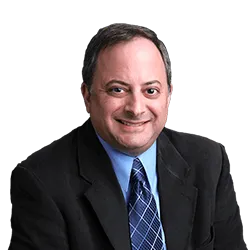
For over 35 years, I’ve guided San Diego families through these complex estate planning challenges. My background as both an estate planning attorney and a Certified Public Accountant (CPA) allows me to integrate tax strategy, valuation, and capital gains considerations into a holistic plan that protects your family’s future. I understand the emotional toll these decisions can take, and I’m committed to providing compassionate and effective legal guidance.
|
Attorney Advertising, Legal Disclosure & Authorship
ATTORNEY ADVERTISING.
This content is provided for general informational and educational purposes only and does not constitute legal, financial, or tax advice.
Under the California Rules of Professional Conduct and State Bar advertising regulations, this material may be considered attorney advertising.
Reading this content does not create an attorney-client relationship or any professional advisory relationship.
Laws vary by jurisdiction and are subject to change, including recent 2026 developments under California’s AB 2016 and evolving federal estate and reporting requirements.
You should consult a qualified attorney or advisor regarding your specific circumstances before taking action.
Responsible Attorney:
Steven F. Bliss, California Attorney (Bar No. 147856).
Local Office:
San Diego Probate Law3914 Murphy Canyon Rd San Diego, CA 92123 (858) 278-2800
San Diego Probate Law is a practice location and trade name used by Steven F. Bliss, Esq., a California-licensed attorney.
About the Author & Legal Review Process
This article was researched and drafted by the Legal Editorial Team of the Law Firm of Steven F. Bliss, Esq.,
a collective of attorneys, legal writers, and paralegals dedicated to translating complex legal concepts into clear, accurate guidance.
Legal Review:
This content was reviewed and approved by Steven F. Bliss, a California-licensed attorney (Bar No. 147856).
Mr. Bliss concentrates his practice in estate planning and estate administration, advising clients on proactive planning strategies and representing fiduciaries in probate and trust administration proceedings when formal court involvement becomes necessary.
With more than 35 years of experience in California estate planning and estate administration,
Mr. Bliss focuses on structuring enforceable estate plans, guiding fiduciaries through court-supervised proceedings,
resolving creditor and notice issues, and coordinating asset management to support compliant, timely distributions and reduce fiduciary risk.
|