

Reducing Long Term Family Conflict Risk Through Structured Planning?
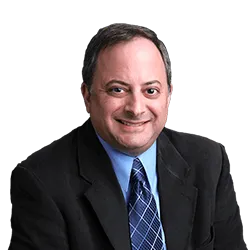
Avoiding this outcome requires more than just a will. It demands structured estate planning representation, a proactive approach that anticipates potential disputes and establishes a legally defensible framework for asset distribution. An experienced estate planning attorney can help you navigate the complexities of trust creation, beneficiary designations, and asset titling to minimize the risk of family conflict. A comprehensive estate planning strategy is essential for protecting your legacy and ensuring your wishes are honored.
The foundation of any effective plan lies in understanding the interplay between federal and state laws governing asset transfer and taxation. For example, California law doesn’t impose a state estate tax, but the federal estate tax exemption, while currently high, is subject to change. Proper planning considers these variables and integrates tax-efficient strategies to maximize the value passed on to your heirs. This is where the unique advantage of a CPA-attorney becomes invaluable, as they can seamlessly integrate tax planning into your overall estate plan.
With over 35 years of experience in estate planning and tax law, I’ve seen firsthand the devastating consequences of poorly executed plans. My approach is to not just document your wishes, but to anticipate potential challenges and build a robust structure that withstands scrutiny. I focus on creating clarity and minimizing ambiguity, which is often the root cause of family disputes. I’ve helped countless families in San Diego protect their wealth and preserve their relationships through thoughtful, proactive estate planning.
What are the most common sources of conflict in estate planning?

Family conflicts often arise from perceived unfairness in asset distribution. This can stem from unequal treatment of children, disagreements over the value of assets, or a lack of transparency in the planning process. Blended families, in particular, are prone to disputes due to the complexities of step-parent/step-child relationships and the desire to protect the interests of all parties. Often, these conflicts are exacerbated by a lack of communication and a failure to address potential concerns proactively.
Another frequent source of contention is the role of a trustee or executor. Disputes can arise over their handling of assets, investment decisions, or communication with beneficiaries. Without clear guidelines and a well-defined process for resolving disagreements, these conflicts can quickly escalate. A structured estate planning framework, including a detailed trust document and clear instructions for the trustee, can help mitigate these risks.
How can a trust help reduce family conflict?
A properly funded Living Trust is a powerful tool for minimizing family conflict. Unlike a will, which goes through probate, a trust allows for a private and efficient transfer of assets. More importantly, a trust allows you to specify exactly how and when assets are distributed, providing greater control and clarity. You can include provisions that address potential disputes, such as a process for mediation or arbitration.
Furthermore, a trust can protect assets from creditors and potential lawsuits, providing an additional layer of security for your beneficiaries. In California, a trust can also help avoid the complexities of probate, which can be a lengthy and expensive process. A trust is not a one-size-fits-all solution, however, and it’s crucial to work with an attorney to tailor it to your specific needs and circumstances.
What is the importance of clear beneficiary designations?
Beneficiary designations on retirement accounts, life insurance policies, and other financial assets take precedence over a will. If your designations are outdated or unclear, your assets may not be distributed according to your wishes. This can lead to significant conflict, especially if there are multiple potential beneficiaries. Regularly reviewing and updating your beneficiary designations is essential.
It’s also important to coordinate your beneficiary designations with your overall estate plan. For example, naming your estate as the beneficiary of a retirement account can trigger unintended tax consequences. An estate planning attorney can help you ensure that your designations are consistent with your goals and minimize potential tax liabilities.
What role does asset titling play in estate planning?
How you title your assets—joint tenancy, tenancy in common, or sole ownership—has a significant impact on how they are distributed upon your death. Joint tenancy with right of survivorship allows assets to pass directly to the surviving owner, bypassing probate. However, it can also create unintended consequences if the joint owner is not the intended beneficiary. Tenancy in common allows for multiple owners, but each owner’s share is subject to their individual creditors and estate planning documents.
Proper asset titling is crucial for avoiding probate and ensuring that your assets are distributed according to your wishes. An attorney can advise you on the best way to title your assets based on your specific circumstances and goals. In San Diego, understanding the nuances of California property law is particularly important when making these decisions.
How can I address potential conflicts involving digital assets?
Digital assets—online accounts, social media profiles, cryptocurrency—are increasingly important components of an estate. Without proper planning, your family may be unable to access these assets after your death. This can lead to frustration and conflict, especially if these assets have significant value. RUFADAA disclosure language in your trust is essential for granting access to digital assets.
You should create a digital asset inventory and include instructions for accessing and managing these assets in your trust. Consider appointing a digital executor to handle these matters. It’s also important to update your passwords and account information regularly. Without a clear plan, your digital legacy may be lost or inaccessible.
|
Attorney Advertising, Legal Disclosure & Authorship
ATTORNEY ADVERTISING.
This content is provided for general informational and educational purposes only and does not constitute legal, financial, or tax advice.
Under the California Rules of Professional Conduct and State Bar advertising regulations, this material may be considered attorney advertising.
Reading this content does not create an attorney-client relationship or any professional advisory relationship.
Laws vary by jurisdiction and are subject to change, including recent 2026 developments under California’s AB 2016 and evolving federal estate and reporting requirements.
You should consult a qualified attorney or advisor regarding your specific circumstances before taking action.
Responsible Attorney:
Steven F. Bliss, California Attorney (Bar No. 147856).
Local Office:
San Diego Probate Law3914 Murphy Canyon Rd San Diego, CA 92123 (858) 278-2800
San Diego Probate Law is a practice location and trade name used by Steven F. Bliss, Esq., a California-licensed attorney.
About the Author & Legal Review Process
This article was researched and drafted by the Legal Editorial Team of the Law Firm of Steven F. Bliss, Esq.,
a collective of attorneys, legal writers, and paralegals dedicated to translating complex legal concepts into clear, accurate guidance.
Legal Review:
This content was reviewed and approved by Steven F. Bliss, a California-licensed attorney (Bar No. 147856).
Mr. Bliss concentrates his practice in estate planning and estate administration, advising clients on proactive planning strategies and representing fiduciaries in probate and trust administration proceedings when formal court involvement becomes necessary.
With more than 35 years of experience in California estate planning and estate administration,
Mr. Bliss focuses on structuring enforceable estate plans, guiding fiduciaries through court-supervised proceedings,
resolving creditor and notice issues, and coordinating asset management to support compliant, timely distributions and reduce fiduciary risk.
|