

Planning For Long Term Care And Aging In California?
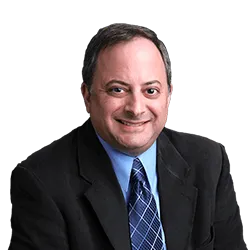
Protecting your assets and ensuring your wishes are honored requires a comprehensive estate planning strategy. An experienced estate planning attorney can help you navigate the complexities of California law and create a plan tailored to your specific needs. This is especially critical when considering long-term care, as the costs associated with assisted living or skilled nursing facilities can quickly deplete even substantial savings.
A coordinated estate planning structure, implemented with the guidance of an attorney-led estate planning counsel, is the best way to safeguard your future.
What is the difference between a trust and a will in California?

A will dictates how your assets are distributed after your death. However, it requires probate, a court-supervised process that can be time-consuming and expensive. A trust, on the other hand, allows you to transfer ownership of your assets to a trustee who manages them for your benefit during your lifetime and distributes them to your beneficiaries according to your instructions, often avoiding probate altogether.
The key difference lies in control and timing. A will takes effect only upon your death, while a trust can be effective immediately.
How can I protect my assets from long-term care costs in California?
California has specific rules regarding Medi-Cal recovery and asset look-back periods. Proper planning, including the potential use of irrevocable trusts, can help protect your assets while still allowing you to qualify for Medi-Cal benefits if needed. It’s essential to understand the five-year look-back rule, which examines your financial transactions for the previous five years to determine eligibility.
An estate planning attorney in San Diego can help you explore strategies to legally reduce your countable assets and ensure you qualify for the assistance you need without losing everything you’ve worked for.
What is a power of attorney and why do I need one?
A power of attorney (POA) allows you to designate someone to make financial and legal decisions on your behalf if you become incapacitated. There are different types of POAs, including immediate and springing powers of attorney. An immediate POA is effective immediately, while a springing POA becomes effective only upon a specific event, such as a doctor’s determination of your incapacity.
Without a durable power of attorney, your family may need to seek a conservatorship through the courts, which can be a costly and stressful process.
What are healthcare directives and what do they cover?
Healthcare directives, such as an advance healthcare directive and a Physician Orders Life-Sustaining Treatment (POLST) form, allow you to express your wishes regarding medical treatment if you are unable to communicate. An advance healthcare directive typically covers a broader range of medical decisions, while a POLST form provides specific instructions to healthcare providers about life-sustaining treatment.
California’s Confidentiality of Medical Information Act (CMIA) is stricter than federal HIPAA. Your plan must include specific CMIA waivers to ensure Successor Trustees can obtain the physician certifications necessary to trigger their authority without court intervention.
What happens if I don’t have a beneficiary designation on my retirement accounts?
Retirement accounts pass by beneficiary designation, meaning they go directly to the person you name, regardless of what your will says. If you don’t have a beneficiary designation, or if the beneficiary is deceased, the account will likely go through probate. This can result in significant delays and expenses, as well as potential tax implications.
It’s crucial to review and update your beneficiary designations regularly, especially after major life events such as marriage, divorce, or the birth of a child.
What is the role of a successor trustee?
A successor trustee is the person you designate to manage your trust assets if you become incapacitated or die. They have a fiduciary duty to act in your best interests and follow the terms of your trust. The transition of authority for a successor trustee can be triggered by incapacity or death, each requiring different procedures.
A San Diego estate planning attorney can help you select a qualified successor trustee and ensure they understand their responsibilities.
What is a pour-over will and how does it work?
A pour-over will is a safety net that ensures any assets not already held in your trust at the time of your death are “poured over” into the trust. This prevents those assets from going through probate. However, assets transferred through a pour-over will may be subject to probate before being distributed.
A well-drafted trust is the primary component of a comprehensive estate plan, but a pour-over will provides an extra layer of protection.
What are spendthrift provisions and how can they protect my beneficiaries?
Spendthrift provisions are clauses in a trust that protect your beneficiaries’ inheritance from creditors and lawsuits. They prevent beneficiaries from squandering their inheritance and ensure it is used for their intended purpose. Spendthrift provisions can be particularly important if you have beneficiaries who are financially irresponsible or have a history of addiction.
An attorney-led estate planning counsel can advise you on whether spendthrift provisions are appropriate for your situation.
What is the importance of excluding clauses in a will or trust?
Exclusionary clauses allow you to specifically disinherit someone from your estate. While you generally have the freedom to disinherit anyone, it’s important to do so carefully and with clear language to avoid potential challenges.
A CPA-attorney advising on capital gains and valuation can help you understand the potential tax consequences of disinheritance.
What is the difference between a regular and a springing power of attorney?
A regular power of attorney is effective immediately upon signing, giving your agent broad authority to act on your behalf. A springing power of attorney, however, only becomes effective upon the occurrence of a specific event, such as a doctor’s determination of your incapacity.
The choice between a regular and a springing power of attorney depends on your individual circumstances and comfort level.
Over the course of my 35+ years of practice as an estate planning attorney and CPA, I’ve seen firsthand the devastating consequences of inadequate planning. A proactive and well-structured estate plan is one of the most important gifts you can give your loved ones, providing peace of mind and protecting your legacy.
|
Attorney Advertising, Legal Disclosure & Authorship
ATTORNEY ADVERTISING.
This content is provided for general informational and educational purposes only and does not constitute legal, financial, or tax advice.
Under the California Rules of Professional Conduct and State Bar advertising regulations, this material may be considered attorney advertising.
Reading this content does not create an attorney-client relationship or any professional advisory relationship.
Laws vary by jurisdiction and are subject to change, including recent 2026 developments under California’s AB 2016 and evolving federal estate and reporting requirements.
You should consult a qualified attorney or advisor regarding your specific circumstances before taking action.
Responsible Attorney:
Steven F. Bliss, California Attorney (Bar No. 147856).
Local Office:
San Diego Probate Law3914 Murphy Canyon Rd San Diego, CA 92123 (858) 278-2800
San Diego Probate Law is a practice location and trade name used by Steven F. Bliss, Esq., a California-licensed attorney.
About the Author & Legal Review Process
This article was researched and drafted by the Legal Editorial Team of the Law Firm of Steven F. Bliss, Esq.,
a collective of attorneys, legal writers, and paralegals dedicated to translating complex legal concepts into clear, accurate guidance.
Legal Review:
This content was reviewed and approved by Steven F. Bliss, a California-licensed attorney (Bar No. 147856).
Mr. Bliss concentrates his practice in estate planning and estate administration, advising clients on proactive planning strategies and representing fiduciaries in probate and trust administration proceedings when formal court involvement becomes necessary.
With more than 35 years of experience in California estate planning and estate administration,
Mr. Bliss focuses on structuring enforceable estate plans, guiding fiduciaries through court-supervised proceedings,
resolving creditor and notice issues, and coordinating asset management to support compliant, timely distributions and reduce fiduciary risk.
|