

Estate Planning For High Value And High Profile San Diego Families?
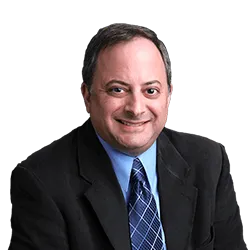
Protecting a family’s wealth requires more than just a will. It demands a structured estate planning representation led by an experienced estate planning attorney. A comprehensive estate planning strategy isn’t simply about avoiding probate; it’s about minimizing tax exposure, ensuring seamless asset transfer, and safeguarding your legacy. For high-profile families in San Diego, the stakes are even higher, requiring a nuanced approach that considers privacy concerns and potential challenges to the plan.
A coordinated estate planning plan, developed with the guidance of an attorney, addresses these risks proactively.
What are the biggest estate planning mistakes high-net-worth families make?

One of the most common errors is failing to update beneficiary designations. These designations supersede what’s written in a will or trust. If your brokerage account, life insurance policy, or retirement plan lists outdated beneficiaries, your assets will pass according to those designations, regardless of your current wishes. Another frequent mistake is inadequate trust funding. A trust is only effective if it’s properly funded – meaning assets are legally transferred into the trust’s ownership. Finally, many families neglect to address digital asset succession, leaving important online accounts inaccessible to their loved ones.
How can a trust protect my assets from creditors and lawsuits?
A properly structured trust can offer significant creditor protection. Spendthrift provisions, for example, prevent beneficiaries from assigning their trust interests to creditors. However, the effectiveness of these provisions depends on the specific trust language and the jurisdiction. It’s crucial to work with an attorney to ensure the trust is drafted to maximize protection under California law. Furthermore, a trust can help shield assets from potential lawsuits against beneficiaries, particularly if the trust is irrevocable and the beneficiary has no control over the assets.
What is the step-up in basis, and why is it important for estate planning?
The step-up in basis is a significant tax benefit. When you inherit an asset, its cost basis is adjusted to its fair market value on the date of the decedent’s death. This can substantially reduce capital gains taxes when the asset is eventually sold. As a CPA-attorney, I understand the intricacies of this rule and how to integrate it into your estate planning strategy. For example, proper valuation of assets at the time of death is critical to ensure the maximum step-up in basis is realized. This requires careful documentation and potentially the involvement of a qualified appraiser.
What are the implications of Medi-Cal recovery for my estate?
Medi-Cal recovery can significantly impact your estate if you or your spouse receive long-term care benefits through Medi-Cal. California has a look-back period of five years, meaning Medi-Cal will scrutinize your financial transactions during that period to determine if you improperly transferred assets to avoid paying for care. Planning ahead is essential to protect your assets from Medi-Cal recovery. This may involve establishing an irrevocable trust or other strategies to shield assets while still qualifying for benefits.
How do I ensure my healthcare directives are legally valid and enforceable in California?
Healthcare directives, such as a living will and durable power of attorney for healthcare, allow you to designate someone to make medical decisions on your behalf if you become incapacitated. In California, these documents must meet specific requirements to be legally valid. It’s crucial to have them properly witnessed and notarized. Additionally, it’s important to distinguish between healthcare directives and POLST (Physician Orders for Life-Sustaining Treatment) forms. POLST forms are more specific and provide instructions to healthcare providers regarding life-sustaining treatment.
What is the role of a successor trustee, and what happens if they are unable to fulfill their duties?
A successor trustee is responsible for managing and distributing the assets held in a trust after the grantor’s death or incapacitation. Their duties are fiduciary in nature, meaning they must act in the best interests of the beneficiaries. If a successor trustee is unable to fulfill their duties, a court may appoint a co-trustee or a professional trustee to take over. It’s important to carefully select a successor trustee who is trustworthy, responsible, and capable of handling the trust’s administration.
How can I use a pour-over will in conjunction with a living trust?
A pour-over will acts as a safety net for assets that were not properly transferred into your living trust during your lifetime. It directs any remaining assets to be “poured over” into the trust upon your death. While a pour-over will doesn’t avoid probate for those assets, it ensures they are ultimately distributed according to the terms of your trust. It’s important to note that assets passing through a pour-over will may be subject to probate fees and delays.
What are exclusionary clauses, and when should I consider using them in my estate plan?
Exclusionary clauses allow you to disinherit specific individuals from your estate. However, California law places certain restrictions on disinheritance. You must clearly state your intent to exclude the individual and provide a valid reason for doing so. Otherwise, the exclusion may be challenged in court. It’s important to work with an attorney to ensure the exclusionary clause is legally enforceable and minimizes the risk of a successful challenge.
What are the differences between an immediate and springing power of attorney?
A power of attorney allows you to designate someone to act on your behalf in financial matters. An immediate power of attorney is effective immediately upon signing, while a springing power of attorney becomes effective only upon the occurrence of a specific event, such as your incapacitation. A springing power of attorney offers greater protection against abuse, as it requires a determination of your incapacity before the agent can act. However, it may be more difficult to implement if the agent needs to act quickly in an emergency.
What are charitable remainder trusts, and how can they help me achieve my philanthropic goals?
Charitable remainder trusts allow you to donate assets to a charity while retaining an income stream for yourself or your beneficiaries. This can provide significant tax benefits, including a charitable deduction and avoidance of capital gains taxes. However, charitable remainder trusts are complex and require careful planning to ensure they meet your specific goals and comply with IRS regulations.
|
Attorney Advertising, Legal Disclosure & Authorship
ATTORNEY ADVERTISING.
This content is provided for general informational and educational purposes only and does not constitute legal, financial, or tax advice.
Under the California Rules of Professional Conduct and State Bar advertising regulations, this material may be considered attorney advertising.
Reading this content does not create an attorney-client relationship or any professional advisory relationship.
Laws vary by jurisdiction and are subject to change, including recent 2026 developments under California’s AB 2016 and evolving federal estate and reporting requirements.
You should consult a qualified attorney or advisor regarding your specific circumstances before taking action.
Responsible Attorney:
Steven F. Bliss, California Attorney (Bar No. 147856).
Local Office:
San Diego Probate Law3914 Murphy Canyon Rd San Diego, CA 92123 (858) 278-2800
San Diego Probate Law is a practice location and trade name used by Steven F. Bliss, Esq., a California-licensed attorney.
About the Author & Legal Review Process
This article was researched and drafted by the Legal Editorial Team of the Law Firm of Steven F. Bliss, Esq.,
a collective of attorneys, legal writers, and paralegals dedicated to translating complex legal concepts into clear, accurate guidance.
Legal Review:
This content was reviewed and approved by Steven F. Bliss, a California-licensed attorney (Bar No. 147856).
Mr. Bliss concentrates his practice in estate planning and estate administration, advising clients on proactive planning strategies and representing fiduciaries in probate and trust administration proceedings when formal court involvement becomes necessary.
With more than 35 years of experience in California estate planning and estate administration,
Mr. Bliss focuses on structuring enforceable estate plans, guiding fiduciaries through court-supervised proceedings,
resolving creditor and notice issues, and coordinating asset management to support compliant, timely distributions and reduce fiduciary risk.
|