
Estate planning for married couples is predicated on the community property presumptions established in Fam. Code § 760. Under California law, assets acquired during marriage are generally deemed community property, allowing for a 100% “step-up” in cost basis upon the first spouse’s death under IRC § 1014(b)(6), provided the characterization is clearly documented. Fiduciary governance of these assets is restricted by Fam. Code § 1100, which prohibits the unilateral gift or disposal of community personal property without written spousal consent. For real property, Prob. Code § 13500 provides the “Spousal Property Petition” mechanism, allowing for the transfer of title without a full probate administration. Evidentiary standards for rebutting the community property presumption require “clear and convincing” proof of separate property characterization per Fam. Code § 770. Furthermore, the use of “Transmutation Agreements” must satisfy the strict writing and express declaration requirements of Fam. Code § 852 to be enforceable against third-party creditors or during trust administration, ensuring the strategic alignment of the couple’s dispositive intent with statutory title standards.
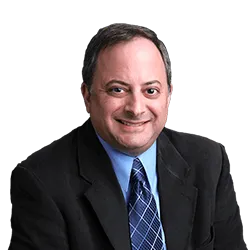
Married-couple planning in California starts with characterization and control: what is presumed community, what is separate, and what documentation is required to change that posture. Under Fam. Code § 760, property acquired during marriage is generally community, but changing character is not informal; it requires disciplined writing and, for real property, recording awareness under Fam. Code § 852. The focal point is enforceable clarity before timing pressure arrives.
How I structure married-couple planning for control, privacy, and clean administration

I have worked with San Diego couples for 35+ years, and the pattern is consistent: the plan fails where the paperwork and the real-world control diverge. A Del Mar couple may have multiple accounts at a local institution, a primary residence, and a separate-property rental that predates the marriage; if those assets are not aligned to the intended governance, the surviving spouse can face avoidable access delays and family tension if a dispute arises. Under California Law, a trust is only as reliable as its creation and funding mechanics, and I anchor that discipline to Prob. Code § 15200. As a CPA, my attention goes to valuation support and basis awareness so later decisions are made from clean numbers, not assumptions.
Strategic Insight (San Diego): In Mission Hills, I often see couples keep “privacy” by limiting who can access records, then the survivor cannot quickly prove authority to third parties when a lender, HOA, or insurer asks for documentation. The preventative step is to build a controlled document map (titles, beneficiary designations, operating agreements, and directive copies) and keep it current so the survivor can act without unnecessary disclosure. If authority is later questioned, an organized record posture supports fiduciary administration under Prob. Code § 16000.
Why San Diego realities and California rules change married-couple outcomes
In San Diego, carrying costs do not pause: property taxes, insurance renewals, HOA obligations, and maintenance continue even while a family is sorting out authority and access. California rules around how spouses can change the character of assets matter because informal understandings are not the same as enforceable documentation, especially when a transfer is challenged or a third party needs proof; the basis for that discipline is Fam. Code § 852.
- Unclear characterization between community and separate assets, especially with pre-marriage real property
- Bank access friction when authority documents are incomplete or outdated for local financial institutions
- Title and beneficiary misalignment that undermines intended governance and privacy
- Inconsistent recordkeeping that creates avoidable fiduciary risk if questions arise
- Uneven instructions across wills, trusts, and directives that forces reactive cleanup under time pressure
The trustee or agent is often a spouse, which means the personal relationship and the fiduciary role overlap; that is where good intentions can still create exposure if the documentation and reporting posture are weak. My focus is to define authority, scope, and duties in writing so actions taken for family convenience remain defensible under Prob. Code § 16000.
This is general information under California Law; specific facts change strategy. As a CPA, I also treat valuation and basis as operational facts, not background details, because a survivor may need to make timing-sensitive decisions about selling, refinancing, or rebalancing while preserving clean records and controlled disclosure.
The Immediate 5: questions that determine whether a married-couple plan stays enforceable under pressure
These are the first questions I ask to assess documentation posture, timing exposure, and whether a plan will function quietly when a spouse is unavailable. The answers guide what must be clarified in writing, what must be aligned by title or beneficiary designation, and what should be organized now so decisions are made from controlled facts rather than rushed assumptions.
Practitioner’s Note: In Rancho Santa Fe, a couple relied on online statements to prove ownership, but their records did not match the deed and the bank would not accept an unsigned copy of authority. The diagnostic signal was “we have it somewhere” instead of a dated, executed package; the corrective move was to rebuild a clean execution set under Prob. Code § 4121 and then reconcile titles and beneficiaries against the plan.
What is your current community property versus separate property map, and is it supported by documents?
For married couples, characterization is not a theory; it controls what a spouse can manage, what must be disclosed, and what can trigger conflict if family members see inconsistent labels. I build a written map that starts with the community property baseline under Fam. Code § 760 and then identifies separate-property sources, commingling points, and the records that support each classification. Connection: This map is only reliable if later “changes” are handled with the writing discipline required by Fam. Code § 852, so the paper trail matches the intent.
Have you changed the character of any asset during marriage, and if so, does the writing meet California requirements?
Couples often intend to “make it joint” or “keep it separate” through informal steps, but transmutation is documentation-sensitive and third-party notice can matter for real property. If an asset’s character was changed during the marriage, the writing and execution posture should be evaluated against Fam. Code § 852, including whether there is an express declaration and, where appropriate, recording awareness. Connection: A clean transmutation record reduces later fiduciary tension because the trustee’s administration duties under Prob. Code § 16000 are easier to perform when ownership and character are clear.
Are your trusts and titles aligned so the surviving spouse can act without avoidable access delays?
The focal point is not whether a trust exists, but whether assets that should be governed by it are actually aligned to it and whether the successor authority package is current. I treat trust creation and funding as a single operational system anchored to Prob. Code § 15200, then cross-check deeds, beneficiary designations, and account ownership so the surviving spouse is not forced into reactive cleanup while bills and maintenance continue. Connection: Clear funding and records also support the trustee’s duty posture described in Prob. Code § 16000 when questions arise.
If one spouse becomes incapacitated, do you have durable financial authority and a health care directive that third parties will accept?
Incapacity planning is where couples learn whether their documents are actually usable in the real world, especially with large institutions and medical systems in San Diego County. Financial authority should be executed with the formalities required by Prob. Code § 4121, and health care decision documents should be current and easy to produce under Prob. Code § 4671. Connection: When authority is properly documented, the spouse acting as trustee or agent can maintain the duty-of-administration posture described in Prob. Code § 16000 with fewer practical barriers.
Do you have a written plan for children, blended-family dynamics, and survivor discretion without creating governance conflict?
For many couples, the risk is not intent, but the governance mechanics: who controls distributions, when information is shared, and how the survivor’s discretion is protected without creating ambiguity. I build instructions that respect privacy and administrative control while staying consistent with the couple’s characterization map under Fam. Code § 760, because mislabeling assets or leaving open questions can invite challenges and complicate later administration.

For San Diego couples, the practical risk is often an “in-between” period: a spouse is gone or unavailable, but property, accounts, and obligations keep moving. A clean married-couple plan anticipates title friction, lender requests, HOA demands, and the need for controlled disclosure while maintaining privacy. I pair the legal structure with documentation discipline so the surviving spouse can act with clarity, not improvisation.
- Real property deeds and recording posture aligned to the intended governance
- Beneficiary designations reconciled against the written plan
- Current authority documents packaged for third-party acceptance
Procedural realities that protect married couples from avoidable exposure
Evidence & Documentation Discipline
Married-couple planning succeeds when records are consistent across titles, beneficiary designations, and what the couple believes they own together. The starting point is recognizing the community property presumption under Fam. Code § 760, then documenting exceptions with the discipline required by California rules rather than informal labels.
- Transfer documents vs actual control/ownership
- Valuation support vs later audit/challenge risk
- Timeline consistency for planning vs creditor/liability exposure
- Tie to California compliance and defensibility
When couples change ownership character during marriage, the writing must be clean and specific; otherwise, the record set may not support the intended posture if a transfer is challenged. Legal Basis: Fam. Code § 852.
Negotiation vs Transaction-Challenge Reality
What materially changes once a transaction is challenged is the demand for proof: not what you meant, but what your executed documents and consistent actions show over time. In that environment, fiduciary administration becomes documentation-forward, and the trustee’s duty posture under Prob. Code § 16000 becomes the framework for what must be supported and how decisions are defended.
- What changes once a transaction is challenged
- Documentation, timing, valuation, compliance posture
- Procedural reality only
Complex Scenarios
Digital assets and cryptocurrency access planning often fail at the same point as everything else: authority and record control, especially when logins, devices, or exchanges require specific proof before granting access. No-contest clause enforceability boundaries are not a substitute for clear ownership, and community property rules can still create spousal control issues if assets are mislabeled or commingled; where this becomes relevant is when a survivor needs to act quickly while maintaining privacy and avoiding unnecessary disclosure. Legal Basis: Prob. Code § 4671.
If a spouse’s financial authority is not executed in a form third parties will accept, even a well-designed plan can stall in practice. Legal Basis: Prob. Code § 4121.
Lived experiences from San Diego families
Brad B.
“We came in with a mix of community property, a separate rental, and accounts spread across different institutions, and we were worried the survivor would be forced into cleanup. Steve rebuilt our documents and aligned titles and beneficiary designations so we have clear control, clean records, and a plan that protects privacy without creating confusion.”
Diane P.
“We had done planning years ago, but our life changed and our paperwork did not keep up. Steve walked us through what needed attention, updated our authority documents, and tightened the governance details so we feel clarity now and the risk of family conflict feels materially reduced.”
California statutory framework and legal authority
If you want married-couple clarity, start with a controlled inventory and a written governance map
If you are married and living in San Diego, the safest starting point is to gather a clean inventory of real property, accounts, and beneficiary designations, then confirm what is community, what is separate, and what has been changed in writing. From there, we can align titles, trusts, and authority documents so your plan reflects California rules, preserves privacy, and reduces avoidable friction if life forces a quick transition.
|
Attorney Advertising, Legal Disclosure & Authorship
ATTORNEY ADVERTISING.
This content is provided for general informational and educational purposes only and does not constitute legal, financial, or tax advice.
Under the California Rules of Professional Conduct and State Bar advertising regulations, this material may be considered attorney advertising.
Reading this content does not create an attorney-client relationship or any professional advisory relationship.
Laws vary by jurisdiction and are subject to change, including recent 2026 developments under California’s AB 2016 and evolving federal estate and reporting requirements.
You should consult a qualified attorney or advisor regarding your specific circumstances before taking action.
Responsible Attorney:
Steven F. Bliss, California Attorney (Bar No. 147856).
Local Office:
San Diego Probate Law3914 Murphy Canyon Rd San Diego, CA 92123 (858) 278-2800
San Diego Probate Law is a practice location and trade name used by Steven F. Bliss, Esq., a California-licensed attorney.
About the Author & Legal Review Process
This article was researched and drafted by the Legal Editorial Team of the Law Firm of Steven F. Bliss, Esq.,
a collective of attorneys, legal writers, and paralegals dedicated to translating complex legal concepts into clear, accurate guidance.
Legal Review:
This content was reviewed and approved by Steven F. Bliss, a California-licensed attorney (Bar No. 147856).
Mr. Bliss concentrates his practice in estate planning and estate administration, advising clients on proactive planning strategies and representing fiduciaries in probate and trust administration proceedings when formal court involvement becomes necessary.
With more than 35 years of experience in California estate planning and estate administration,
Mr. Bliss focuses on structuring enforceable estate plans, guiding fiduciaries through court-supervised proceedings,
resolving creditor and notice issues, and coordinating asset management to support compliant, timely distributions and reduce fiduciary risk.
|