

Handling Partial Or Fluctuating Capacity Situations?
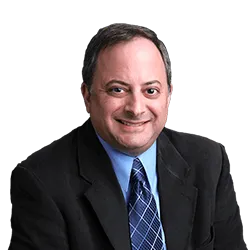
Navigating situations where capacity is partial or fluctuating is one of the most challenging areas of estate planning. It requires a nuanced understanding of California law and a proactive approach to protect vulnerable individuals. As an experienced estate planning attorney in San Diego, I’ve seen firsthand how a lack of foresight can lead to devastating consequences. A comprehensive structured estate planning strategy is essential, but it’s often not enough when a client’s mental state is in flux. The complexities of statutory requirements and the potential for fiduciary liability demand careful consideration.
The core issue lies in establishing legal authority. A durable power of attorney, for example, is only valid if the principal (Elara, in our scenario) possessed the requisite mental capacity *at the time of signing*. If capacity is questionable, the document can be challenged in court. Similarly, a trust created during a period of diminished capacity may be deemed invalid if it doesn’t reflect the client’s true intentions. This is where the CPA advantage becomes critical. We don’t just look at the legal documents; we analyze the financial patterns and tax implications surrounding their creation, providing a more robust defense against potential claims of undue influence or lack of capacity.
For over 35 years, I’ve been advising clients in San Diego and throughout California on these sensitive matters. My background as both an Estate Planning Attorney and a CPA allows me to offer a unique perspective, integrating tax strategy with legal safeguards. We don’t simply draft documents; we build a comprehensive plan that anticipates potential challenges and protects your loved ones from financial exploitation and legal disputes. The ability to perform a step-up in basis analysis, understand capital gains implications, and accurately value assets is invaluable when defending the validity of estate planning instruments.
What happens if someone signs a power of attorney when their capacity is questionable?

A power of attorney signed during a period of questionable capacity is vulnerable to challenge. The standard is whether the principal understood the nature and consequences of the document at the time of signing. Evidence of cognitive impairment, such as medical records or witness testimony, can be used to invalidate the power of attorney. California Probate Code Section 1622 provides specific guidelines for challenging a power of attorney based on lack of capacity or undue influence.
If a challenge is successful, the power of attorney is deemed invalid. This means the agent no longer has the authority to act on the principal’s behalf. A conservatorship may be necessary to manage the principal’s finances and personal affairs, which is a more costly and time-consuming process than a valid power of attorney.
Can a trust be invalidated if it was created when someone lacked capacity?
Yes, a trust can be invalidated if it was created during a period of diminished capacity. The legal standard is similar to that for a power of attorney: the settlor (the person creating the trust) must have understood the nature and consequences of the trust at the time of creation. Evidence of cognitive impairment, such as a diagnosis of dementia or Alzheimer’s disease, can be used to challenge the trust’s validity. A trust created during a period of incapacity may be deemed a “fraudulent transfer” if it was made to avoid creditors or deplete assets.
Successfully challenging a trust requires a thorough investigation and compelling evidence. We often utilize forensic accounting to analyze financial transactions and identify any red flags that suggest undue influence or lack of capacity. The burden of proof rests on the party challenging the trust, which can be a significant hurdle.
What is the role of a Successor Trustee when a settlor’s capacity is fluctuating?
When a settlor’s capacity is fluctuating, the Successor Trustee faces a delicate balancing act. They have a fiduciary duty to act in the best interests of the beneficiaries, but they must also respect the settlor’s autonomy as long as they retain some capacity. This often involves consulting with medical professionals and documenting all decisions carefully. Under California law, the Successor Trustee must provide beneficiaries with regular accountings and be transparent about their actions, as outlined in the Trustee Transparency Act (Probate Code § 15800).
It’s crucial to have a clear understanding of the settlor’s wishes, as expressed in the trust document and any advance healthcare directives. If the settlor’s capacity deteriorates significantly, the Successor Trustee may need to seek court guidance to ensure they are fulfilling their fiduciary obligations.
How can advance healthcare directives help in situations involving fluctuating capacity?
Advance healthcare directives, such as a healthcare power of attorney and a living will, can provide valuable guidance when someone’s capacity is fluctuating. These documents allow the individual to express their wishes regarding medical treatment, even if they are unable to communicate their preferences at the time. California’s Confidentiality of Medical Information Act (CMIA) (Civil Code § 56) requires specific waivers to allow healthcare providers to share medical information with designated agents.
However, it’s important to note that advance healthcare directives only address medical decisions. They do not provide authority to manage financial affairs. A separate durable power of attorney is needed for that purpose.
What steps can be taken to proactively address potential capacity issues?
Proactive planning is the best defense against capacity issues. This includes creating a durable power of attorney and a trust while the individual is still fully competent. Regularly reviewing and updating these documents is also essential, especially as the individual ages. Consider including a “springing” power of attorney, which only becomes effective upon a determination of incapacity by a qualified medical professional. We also advise clients to document their wishes in writing, including any specific instructions regarding their finances and healthcare.
Furthermore, establishing a strong relationship with a trusted attorney-led estate planning counsel experienced in asset-specific tax treatment is vital. This ensures that your plan is tailored to your unique circumstances and provides maximum protection against potential challenges.
|
Attorney Advertising, Legal Disclosure & Authorship
ATTORNEY ADVERTISING.
This content is provided for general informational and educational purposes only and does not constitute legal, financial, or tax advice.
Under the California Rules of Professional Conduct and State Bar advertising regulations, this material may be considered attorney advertising.
Reading this content does not create an attorney-client relationship or any professional advisory relationship.
Laws vary by jurisdiction and are subject to change, including recent 2026 developments under California’s AB 2016 and evolving federal estate and reporting requirements.
You should consult a qualified attorney or advisor regarding your specific circumstances before taking action.
Responsible Attorney:
Steven F. Bliss, California Attorney (Bar No. 147856).
Local Office:
San Diego Probate Law3914 Murphy Canyon Rd San Diego, CA 92123 (858) 278-2800
San Diego Probate Law is a practice location and trade name used by Steven F. Bliss, Esq., a California-licensed attorney.
About the Author & Legal Review Process
This article was researched and drafted by the Legal Editorial Team of the Law Firm of Steven F. Bliss, Esq.,
a collective of attorneys, legal writers, and paralegals dedicated to translating complex legal concepts into clear, accurate guidance.
Legal Review:
This content was reviewed and approved by Steven F. Bliss, a California-licensed attorney (Bar No. 147856).
Mr. Bliss concentrates his practice in estate planning and estate administration, advising clients on proactive planning strategies and representing fiduciaries in probate and trust administration proceedings when formal court involvement becomes necessary.
With more than 35 years of experience in California estate planning and estate administration,
Mr. Bliss focuses on structuring enforceable estate plans, guiding fiduciaries through court-supervised proceedings,
resolving creditor and notice issues, and coordinating asset management to support compliant, timely distributions and reduce fiduciary risk.
|