

How Estate Planning Gaps Create Confusion About Decision Making Authority?
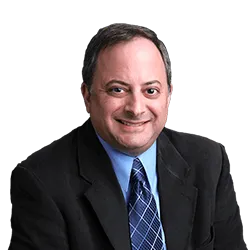
A well-structured estate planning representation, led by an experienced estate planning attorney, can prevent these painful and costly outcomes. Often, clients believe a simple will is sufficient, but this overlooks critical components like trust funding, asset titling, and the coordination of beneficiary designations. These elements, when misaligned, can lead to unintended consequences and protracted legal battles. An estate planning attorney in San Diego can help you navigate these complexities and ensure your plan accurately reflects your goals.
A comprehensive estate planning strategy isn’t just about avoiding probate; it’s about ensuring your wishes are honored and your loved ones are protected. It’s about proactively addressing potential conflicts and providing clear guidance for your successors. Without a coordinated estate planning structure, even a seemingly straightforward estate can become unnecessarily complicated, leading to frustration and expense.
With over 35 years of experience as both an Estate Planning Attorney and a Certified Public Accountant, I’ve seen firsthand the impact of both well-executed and poorly planned estates. The CPA advantage lies in understanding the tax implications of every decision. For example, the step-up in basis for inherited assets can significantly reduce capital gains taxes, but it requires careful planning and accurate valuation. Ignoring these tax considerations can result in substantial losses for your beneficiaries.
What happens if my beneficiary designations don’t match my will?

When beneficiary designations on accounts like retirement plans and life insurance policies conflict with the instructions in your will, the beneficiary designation generally controls. This is because these accounts pass directly to the named beneficiaries, outside of the probate process. Therefore, it’s crucial to regularly review and update these designations to ensure they align with your overall estate plan. In San Diego, this is a common source of confusion, as clients often focus solely on their will without realizing the overriding power of beneficiary forms.
Failing to coordinate these documents can lead to unintended recipients receiving assets, or even legal challenges from disgruntled heirs. An attorney-led estate planning counsel addressing fiduciary risk can help you avoid these pitfalls by ensuring all your estate planning documents work in harmony.
How does trust funding affect who controls my assets?
A trust is only effective if it’s properly funded—meaning your assets are legally transferred into the ownership of the trust. Simply creating a trust document isn’t enough. Without proper funding, your assets will still be subject to probate, defeating the purpose of the trust. This requires retitling assets in the name of the trust, which can involve updating deeds, bank accounts, and brokerage accounts.
The successor trustee named in your trust will then manage those assets according to the terms of the trust. It’s essential to choose a trustworthy successor and provide them with clear instructions. An estate planning attorney handling statutory complexity can guide you through the trust funding process and ensure it’s done correctly.
What’s the difference between a healthcare directive and a POLST form?
Both healthcare directives and Physician Orders for Life-Sustaining Treatment (POLST) forms outline your wishes regarding medical care, but they serve different purposes. A healthcare directive, also known as an advance healthcare directive, is a broader document that appoints a healthcare agent to make decisions on your behalf if you’re unable to do so. A POLST form, on the other hand, is a specific medical order signed by a physician that outlines your preferences for life-sustaining treatment.
In California, a POLST form is typically used by individuals with serious illnesses or frailty, while a healthcare directive is appropriate for anyone over the age of 18. It’s important to have both documents in place to ensure your wishes are clearly communicated to your healthcare providers.
What triggers the successor trustee’s responsibilities—incapacity or death?
The successor trustee’s responsibilities are triggered by either your incapacity or your death, depending on the terms of your trust. If you become incapacitated, the successor trustee steps in to manage the trust assets for your benefit. If you die, the successor trustee distributes the assets to your beneficiaries according to the trust instructions.
It’s crucial to clearly define these triggers in your trust document to avoid ambiguity and potential disputes. A successor trustee transition requires careful planning and adherence to legal requirements.
How does a pour-over will work with a trust?
A pour-over will is a safety net that ensures any assets not already titled in your trust at the time of your death are “poured over” into the trust. This prevents those assets from going through probate. However, it’s important to note that assets transferred through a pour-over will may be subject to probate before being transferred to the trust.
Therefore, it’s essential to regularly review your trust and update it to include any newly acquired assets. An estate planning attorney integrating tax strategy can help you optimize your estate plan and minimize potential tax liabilities.
|
Attorney Advertising, Legal Disclosure & Authorship
ATTORNEY ADVERTISING.
This content is provided for general informational and educational purposes only and does not constitute legal, financial, or tax advice.
Under the California Rules of Professional Conduct and State Bar advertising regulations, this material may be considered attorney advertising.
Reading this content does not create an attorney-client relationship or any professional advisory relationship.
Laws vary by jurisdiction and are subject to change, including recent 2026 developments under California’s AB 2016 and evolving federal estate and reporting requirements.
You should consult a qualified attorney or advisor regarding your specific circumstances before taking action.
Responsible Attorney:
Steven F. Bliss, California Attorney (Bar No. 147856).
Local Office:
San Diego Probate Law3914 Murphy Canyon Rd San Diego, CA 92123 (858) 278-2800
San Diego Probate Law is a practice location and trade name used by Steven F. Bliss, Esq., a California-licensed attorney.
About the Author & Legal Review Process
This article was researched and drafted by the Legal Editorial Team of the Law Firm of Steven F. Bliss, Esq.,
a collective of attorneys, legal writers, and paralegals dedicated to translating complex legal concepts into clear, accurate guidance.
Legal Review:
This content was reviewed and approved by Steven F. Bliss, a California-licensed attorney (Bar No. 147856).
Mr. Bliss concentrates his practice in estate planning and estate administration, advising clients on proactive planning strategies and representing fiduciaries in probate and trust administration proceedings when formal court involvement becomes necessary.
With more than 35 years of experience in California estate planning and estate administration,
Mr. Bliss focuses on structuring enforceable estate plans, guiding fiduciaries through court-supervised proceedings,
resolving creditor and notice issues, and coordinating asset management to support compliant, timely distributions and reduce fiduciary risk.
|