

How Estate Planning Works In California?
What is Estate Planning and Why Do I Need It?

Estate planning is the process of arranging for the management and distribution of your assets after your death or incapacitation. It’s not just for the wealthy; anyone with assets – a home, savings, investments, or even minor children – needs a plan. A well-crafted estate plan provides peace of mind, knowing your wishes will be honored and your loved ones protected. It also minimizes potential taxes, legal fees, and family disputes.
The core components of a comprehensive estate plan typically include a Will, Trust, Power of Attorney, and Healthcare Directives. A Will dictates how your assets are distributed, but it must go through probate, a court-supervised process that can be time-consuming and expensive. A Trust, on the other hand, allows assets to pass directly to beneficiaries, avoiding probate altogether.
I’ve practiced estate planning law in San Diego for over 35 years, and I’ve seen firsthand the devastating consequences of failing to plan. The advantage of having a CPA as your estate planning attorney is significant. We understand the tax implications of every decision, maximizing the step-up in basis for inherited assets, minimizing capital gains taxes, and ensuring accurate valuation for estate tax purposes. This expertise can save your family substantial money and headaches down the road.
What Happens If I Die Without a Will in California?
If you die without a Will in California – known as dying “intestate” – the state’s laws of intestacy determine how your assets are distributed. This may not align with your wishes. For example, if you have a partner but are not legally married, they may not receive any of your assets. Your assets will be distributed according to a rigid formula based on your closest relatives, regardless of your personal preferences.
The probate process becomes even more complicated and expensive without a Will. The court will appoint an administrator to manage your estate, and they will be required to follow strict procedures. This can take months or even years to resolve, and legal fees can eat away at your assets. A simple Will, while not a perfect solution for everyone, is far better than having no plan at all.
What is the Difference Between a Will and a Trust?
As mentioned earlier, both Wills and Trusts are essential estate planning tools, but they function differently. A Will is a legal document that outlines your wishes for asset distribution after your death. However, it must be validated by the probate court, which can be a lengthy and public process. A Trust, conversely, is a private arrangement where assets are held and managed by a trustee for the benefit of your beneficiaries.
Trusts offer greater control and flexibility. They can be structured to avoid probate, minimize estate taxes, and provide for specific needs of your beneficiaries. For example, a Trust can be designed to distribute assets over time, protecting them from creditors or mismanagement. In San Diego, we often utilize revocable living trusts, which allow you to maintain control of your assets during your lifetime while ensuring a smooth transfer to your heirs.
How Often Should I Review and Update My Estate Plan?
Estate planning is not a one-time event. Life changes – marriage, divorce, birth of a child, significant financial gains or losses – can all impact your plan. It’s crucial to review and update your estate plan regularly, ideally every three to five years, or whenever a major life event occurs.
Changes in tax laws also necessitate updates. The Federal Estate Tax Exemption, for example, is subject to change, and it’s important to ensure your plan reflects the current regulations. As of January 1, 2026, the OBBBA (One Big Beautiful Bill Act) permanently increased the Federal Estate Tax Exemption to $15 million per person. Plans created before 2025 must be reviewed because the new limits do not apply retroactively to deaths occurring before the effective date.
What are Healthcare Directives and Why are They Important?
Healthcare Directives, also known as advance directives, allow you to express your wishes regarding medical treatment if you become incapacitated and unable to communicate. This includes a Healthcare Power of Attorney, which designates someone to make healthcare decisions on your behalf, and a Living Will, which outlines your preferences for end-of-life care.
Without Healthcare Directives, your family may be forced to make difficult decisions without knowing your wishes. This can lead to conflict and emotional distress. Having these documents in place ensures your values and preferences are respected, even when you can’t speak for yourself. It’s also important to discuss your wishes with your designated healthcare agent and ensure they understand your preferences.
What is the Small Estate Threshold in California?
California allows for a simplified probate process for small estates. As of April 1, 2025, the Small Estate Threshold is $208,850. If your combined probate assets (excluding the AB 2016 residence) do not exceed this amount, your heirs can use a Small Estate Affidavit to transfer assets without going through formal probate.
However, it’s important to note that this process has limitations. It’s not suitable for complex estates or situations involving disputes. For deaths on or after April 1, 2025, a primary residence up to $750,000 qualifies for a “Petition for Succession”. This requires a Judge’s Order, not just an affidavit. Other non-real estate assets must remain below the separate $208,850 limit to qualify.
What is RUFADAA and How Does it Affect My Digital Assets?
Digital assets – online accounts, social media profiles, cryptocurrency – are an increasingly important part of our lives. Without proper planning, accessing these assets after your death can be difficult or impossible. RUFADAA (Probate Code § 870) provides a legal framework for managing digital assets.
Without specific RUFADAA language in a Trust or Will, service providers like Google or Coinbase can legally deny an executor access to digital accounts. This can leave valuable information and assets inaccessible. It’s crucial to include provisions in your estate plan that specifically address your digital assets and designate someone to manage them.
What is the FinCEN 2025 Exemption for LLCs?
Business owners often have unique estate planning needs. If you own an LLC, it’s important to consider how it will be managed and distributed after your death. As of March 2025, domestic U.S. LLCs are exempt from mandatory BOI reporting; however, executors of foreign-registered entities must file updates within 30 days to avoid $500/day fines.
Proper planning can minimize estate taxes and ensure a smooth transition of ownership. We often advise clients to create a separate Trust to hold their LLC interests, providing greater control and flexibility. It’s also important to consider the implications of partnership agreements and operating agreements.
What is Prop 19 and How Does it Affect Inheritance of Real Estate?
Prop 19 impacts the transfer of real estate between parents and children. It allows for the transfer of a parent’s low property tax base to their children, but with certain limitations. Heirs can only keep a parent’s low tax base if they move into the home as their primary residence within one year, and the home’s value stays within specific limits.
If these requirements are not met, the property will be reassessed to its current market value, potentially resulting in higher property taxes. It’s important to understand the rules of Prop 19 and how it may affect your estate plan. In San Diego, we often advise clients to carefully consider the implications of this law when transferring real estate to their heirs.
What is a Spendthrift Provision and How Can It Protect My Assets?
Spendthrift provisions are clauses included in Trusts that protect assets from creditors and mismanagement by beneficiaries. They prevent beneficiaries from assigning their interest in the Trust to others and shield the assets from lawsuits or bankruptcy.
These provisions can be particularly useful for beneficiaries who are young, financially irresponsible, or facing potential legal issues. They provide an extra layer of protection, ensuring the assets are used for their intended purpose. We often incorporate spendthrift provisions into Trusts to safeguard assets for future generations.
|
Attorney Advertising, Legal Disclosure & Authorship
ATTORNEY ADVERTISING.
This content is provided for general informational and educational purposes only and does not constitute legal, financial, or tax advice.
Under the California Rules of Professional Conduct and State Bar advertising regulations, this material may be considered attorney advertising.
Reading this content does not create an attorney-client relationship or any professional advisory relationship.
Laws vary by jurisdiction and are subject to change, including recent 2026 developments under California’s AB 2016 and evolving federal estate and reporting requirements.
You should consult a qualified attorney or advisor regarding your specific circumstances before taking action.
Responsible Attorney:
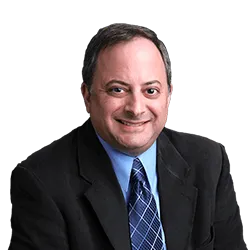
Steven F. Bliss, California Attorney (Bar No. 147856).
Local Office:
San Diego Probate Law3914 Murphy Canyon Rd San Diego, CA 92123 (858) 278-2800
San Diego Probate Law is a practice location and trade name used by Steven F. Bliss, Esq., a California-licensed attorney.
About the Author & Legal Review Process
This article was researched and drafted by the Legal Editorial Team of the Law Firm of Steven F. Bliss, Esq.,
a collective of attorneys, legal writers, and paralegals dedicated to translating complex legal concepts into clear, accurate guidance.
Legal Review:
This content was reviewed and approved by Steven F. Bliss, a California-licensed attorney (Bar No. 147856).
Mr. Bliss concentrates his practice in estate planning and estate administration, advising clients on proactive planning strategies and representing fiduciaries in probate and trust administration proceedings when formal court involvement becomes necessary.
With more than 35 years of experience in California estate planning and estate administration,
Mr. Bliss focuses on structuring enforceable estate plans, guiding fiduciaries through court-supervised proceedings,
resolving creditor and notice issues, and coordinating asset management to support compliant, timely distributions and reduce fiduciary risk.
|