

How Lack Of Planning Leaves Families Dependent On Court Supervision?
Avoiding this scenario requires proactive estate planning. An experienced estate planning attorney can help you navigate the complexities of asset protection, beneficiary designations, and fiduciary responsibilities. Without a comprehensive structured estate planning framework, even seemingly straightforward estates can become entangled in lengthy and expensive court proceedings, diminishing the wealth you intend to pass on to your loved ones.
The core issue is control. Without proper legal documentation, the courts dictate how your assets are distributed and who manages them. This can lead to unintended consequences, family disputes, and significant financial losses. A well-crafted estate plan, however, allows you to maintain control, even after you’re gone, ensuring your wishes are honored and your beneficiaries are protected.
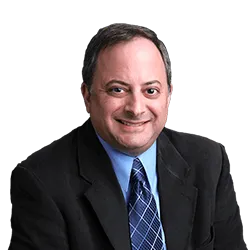
With over 35 years of experience as both an Estate Planning Attorney and a Certified Public Accountant, I’ve witnessed firsthand the devastating impact of inadequate planning. My dual background allows me to integrate tax strategy into every estate plan, maximizing the benefits for your beneficiaries and minimizing potential liabilities. The step-up in basis for assets, capital gains considerations, and accurate valuation are critical components often overlooked by those without a CPA’s expertise.
What Happens If I Die Without a Will in California?

In California, dying without a will is called dying “intestate.” The state’s laws of intestate succession will then determine how your assets are distributed. This distribution may not align with your personal wishes. For example, if you have a blended family, your assets might be divided in a way you wouldn’t have chosen. The court will appoint an administrator to manage your estate, and this person will be responsible for following the state’s rules, regardless of your family’s specific needs or preferences.
The process can be particularly complex if you own property in multiple states. Each state has its own intestate succession laws, and coordinating these can be a logistical and legal challenge. A properly drafted will, even a simple one, can avoid these complications and ensure your assets are distributed according to your intentions.
How Can a Trust Help Me Avoid Probate in San Diego?
A trust is a powerful tool for avoiding probate, a court-supervised process that can be time-consuming and expensive. By transferring ownership of your assets into a trust, you can designate a trustee to manage those assets according to your instructions. This trustee can distribute the assets to your beneficiaries without court intervention. In San Diego, probate fees are calculated as a percentage of the estate’s value, so avoiding probate can save your family a significant amount of money.
There are various types of trusts available, each with its own advantages and disadvantages. A revocable living trust allows you to maintain control of your assets during your lifetime and make changes to the trust as needed. An irrevocable trust, on the other hand, offers greater asset protection but typically involves relinquishing some control.
What is the Difference Between a Healthcare Directive and a Power of Attorney?
Both healthcare directives and powers of attorney are essential components of a comprehensive estate plan, but they serve different purposes. A healthcare directive, also known as an advance healthcare directive, outlines your wishes regarding medical treatment if you become incapacitated and unable to communicate. A power of attorney, on the other hand, authorizes someone to make financial decisions on your behalf. It’s crucial to have both documents in place to ensure your wishes are respected in all situations.
The power of attorney can be either immediate or “springing,” meaning it only becomes effective upon a specific event, such as a doctor’s determination of your incapacity. Choosing the right type of power of attorney depends on your individual circumstances and preferences. It’s also important to designate a reliable agent and provide them with clear instructions.
What Happens When a Successor Trustee Takes Over?
When a successor trustee takes over, they have a fiduciary duty to manage the trust assets for the benefit of the beneficiaries. This duty requires them to act with prudence, loyalty, and good faith. The transition can be seamless if the trust is properly funded and the successor trustee is well-informed. However, disputes can arise if the trust terms are ambiguous or if the beneficiaries disagree with the trustee’s decisions.
A successor trustee’s responsibilities include paying bills, filing taxes, and distributing assets to the beneficiaries according to the trust instructions. They may also need to deal with complex issues such as real estate sales or business valuations. It’s important to choose a successor trustee who is capable and trustworthy.
What is a Pour-Over Will and Why Do I Need One?
A pour-over will is a safety net for assets that were not transferred into your trust during your lifetime. It essentially “pours” those remaining assets into your trust upon your death. While the primary goal of a trust is to avoid probate, it’s not always possible to transfer all of your assets into the trust before you pass away. A pour-over will ensures that those assets are still distributed according to your trust instructions, even if they go through probate briefly.
However, it’s important to note that assets passing through a pour-over will are still subject to probate. Therefore, it’s crucial to fund your trust fully during your lifetime to minimize the need for a pour-over will. Regularly reviewing your trust and updating it as your assets change is also essential.
|
Attorney Advertising, Legal Disclosure & Authorship
ATTORNEY ADVERTISING.
This content is provided for general informational and educational purposes only and does not constitute legal, financial, or tax advice.
Under the California Rules of Professional Conduct and State Bar advertising regulations, this material may be considered attorney advertising.
Reading this content does not create an attorney-client relationship or any professional advisory relationship.
Laws vary by jurisdiction and are subject to change, including recent 2026 developments under California’s AB 2016 and evolving federal estate and reporting requirements.
You should consult a qualified attorney or advisor regarding your specific circumstances before taking action.
Responsible Attorney:
Steven F. Bliss, California Attorney (Bar No. 147856).
Local Office:
San Diego Probate Law3914 Murphy Canyon Rd San Diego, CA 92123 (858) 278-2800
San Diego Probate Law is a practice location and trade name used by Steven F. Bliss, Esq., a California-licensed attorney.
About the Author & Legal Review Process
This article was researched and drafted by the Legal Editorial Team of the Law Firm of Steven F. Bliss, Esq.,
a collective of attorneys, legal writers, and paralegals dedicated to translating complex legal concepts into clear, accurate guidance.
Legal Review:
This content was reviewed and approved by Steven F. Bliss, a California-licensed attorney (Bar No. 147856).
Mr. Bliss concentrates his practice in estate planning and estate administration, advising clients on proactive planning strategies and representing fiduciaries in probate and trust administration proceedings when formal court involvement becomes necessary.
With more than 35 years of experience in California estate planning and estate administration,
Mr. Bliss focuses on structuring enforceable estate plans, guiding fiduciaries through court-supervised proceedings,
resolving creditor and notice issues, and coordinating asset management to support compliant, timely distributions and reduce fiduciary risk.
|