
Is A Handwritten Holographic Will Valid In California Pc 6111?
A handwritten will, also known as a holographic will, is permissible in California, but it must meet very specific requirements to be considered valid. The California Probate Code § 6111 outlines these requirements, and failing to adhere to them can render the document unenforceable. An experienced wills attorney can help ensure your testamentary wishes are legally sound. Proper estate planning, however, extends beyond simply having a will; it’s a comprehensive estate planning strategy designed to protect your assets and provide for your loved ones.
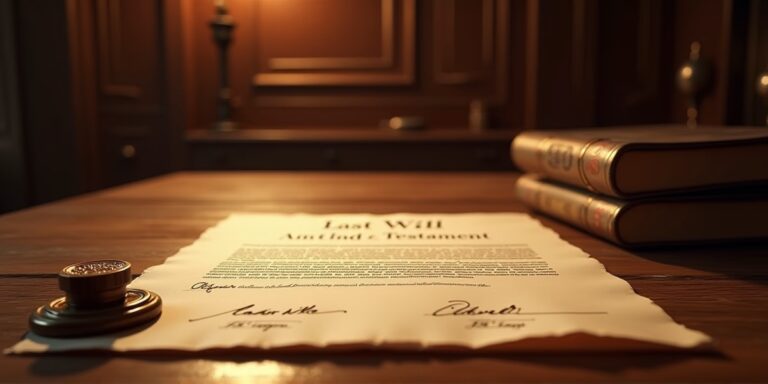
The core principle behind a valid holographic will is that it must be entirely handwritten by the testator – the person making the will. It cannot be typed, pre-printed, or contain any portions created by another individual. This is because the handwritten nature serves as proof of authenticity and intent. A will drafted with the assistance of an attorney-led will drafting counsel provides a structured testamentary drafting strategy to mitigate these risks.
What are the specific requirements for a valid holographic will in California?

California law requires that the entire will be in the testator’s handwriting. This means not only the signature but also all material provisions must be penned by the testator. “Material provisions” refer to the core elements of the will, such as who receives what assets and any specific instructions regarding those distributions. A partially typed document with a handwritten signature will likely be deemed invalid.
Furthermore, the will must clearly demonstrate the testator’s intent to distribute their property upon their death. Ambiguous language or a lack of clarity can lead to disputes and potential legal challenges. While the law doesn’t mandate a specific format, the document should be comprehensive enough to convey the testator’s wishes without question.
What happens if a holographic will is not properly executed?
If a holographic will doesn’t meet the strict requirements of California law, it will likely be deemed invalid. In this case, the testator’s assets will be distributed according to California’s intestate succession laws. This means the property will be divided among the testator’s heirs based on a predetermined formula, which may not align with the testator’s desired outcome.
This can lead to significant complications, delays, and increased legal fees. Furthermore, the probate process can be more expensive and time-consuming without a valid will.
Can a holographic will be contested in California?
Yes, a holographic will can be contested in California, just like any other will. Common grounds for contesting a holographic will include questions about the authenticity of the handwriting, the testator’s mental capacity at the time of signing, and undue influence. A wills counsel addressing contest risk can help proactively address potential challenges and strengthen the will’s validity.
Undue influence occurs when someone exerts pressure or control over the testator, causing them to create a will that doesn’t reflect their true wishes. If a successful contest is filed, the court may invalidate the will and distribute the assets according to intestate succession laws.
What are the benefits of having a formally drafted will instead of a holographic will?
While a holographic will is permissible, a formally drafted will offers several advantages. A professionally drafted will ensures that all legal requirements are met, minimizing the risk of challenges and delays. It also allows for more complex estate planning strategies, such as establishing trusts, designating guardians for minor children, and minimizing estate taxes.
A CPA-attorney integrating tax considerations into wills can help structure your estate plan to maximize tax benefits and protect your assets for future generations.
What is the role of a CPA in estate planning, particularly with wills?
A CPA brings a unique perspective to estate planning, focusing on the tax implications of asset distribution. Understanding the step-up in basis, capital gains taxes, and valuation of assets is crucial for minimizing estate taxes and maximizing the value of the inheritance. For example, proper asset titling can significantly reduce capital gains taxes for beneficiaries.
In San Diego, where real estate values are often substantial, a CPA’s expertise can be invaluable in structuring a will to minimize tax liabilities. With over 35 years of experience as both an Estate Planning Attorney and CPA in San Diego, California, I’ve seen firsthand how proper planning can save families significant amounts of money and stress.
What are the implications of digital assets in a will?
Digital assets, such as online accounts, social media profiles, and cryptocurrency, are increasingly important components of an estate. A will should include specific instructions regarding the management and distribution of these assets. Without clear guidance, accessing and controlling these assets can be difficult for your executor.
California law addresses digital asset succession, but it’s essential to include specific provisions in your will to ensure your wishes are carried out.
How does marriage or divorce affect a will in California?
Marriage after a will is signed may trigger “omitted spouse” rights, entitling the new spouse to a statutory share of the estate, regardless of the will’s terms. Conversely, divorce automatically revokes any provisions in the will that benefit the ex-spouse. It’s crucial to update your will whenever your marital status changes.
California Probate Code § 6122 and § 21610 address these issues, and an attorney drafting wills under California Probate Code can help ensure your will reflects your current family situation.
What is the difference between a healthcare directive and a POLST form?
A healthcare directive, also known as an advance healthcare directive, allows you to specify your wishes regarding medical treatment in the event you become incapacitated. A POLST (Physician Orders for Life-Sustaining Treatment) form is a more specific document that outlines your current medical orders, such as whether or not you want CPR or artificial ventilation.
While both documents are important, they serve different purposes. A healthcare directive is a broader statement of your values, while a POLST form provides specific instructions to medical professionals.
What happens if a trustee is unable to fulfill their duties?
If a successor trustee is unable or unwilling to fulfill their duties, a court may appoint a co-trustee or a new trustee. This can be a complex process, and it’s essential to have a clear succession plan in place.
The court will consider the best interests of the beneficiaries when appointing a new trustee.
|
Attorney Advertising, Legal Disclosure & Authorship
ATTORNEY ADVERTISING.
This content is provided for general informational and educational purposes only and does not constitute legal, financial, or tax advice.
Under the California Rules of Professional Conduct and State Bar advertising regulations, this material may be considered attorney advertising.
Reading this content does not create an attorney-client relationship or any professional advisory relationship.
Laws vary by jurisdiction and are subject to change, including recent 2026 developments under California’s AB 2016 and evolving federal estate and reporting requirements.
You should consult a qualified attorney or advisor regarding your specific circumstances before taking action.
Responsible Attorney:
Steven F. Bliss, California Attorney (Bar No. 147856).
Local Office:
San Diego Probate Law3914 Murphy Canyon Rd San Diego, CA 92123 (858) 278-2800
San Diego Probate Law is a practice location and trade name used by Steven F. Bliss, Esq., a California-licensed attorney.
About the Author & Legal Review Process
This article was researched and drafted by the Legal Editorial Team of the Law Firm of Steven F. Bliss, Esq.,
a collective of attorneys, legal writers, and paralegals dedicated to translating complex legal concepts into clear, accurate guidance.
Legal Review:
This content was reviewed and approved by Steven F. Bliss, a California-licensed attorney (Bar No. 147856).
Mr. Bliss concentrates his practice in estate planning and estate administration, advising clients on proactive planning strategies and representing fiduciaries in probate and trust administration proceedings when formal court involvement becomes necessary.
With more than 35 years of experience in California estate planning and estate administration,
Mr. Bliss focuses on structuring enforceable estate plans, guiding fiduciaries through court-supervised proceedings,
resolving creditor and notice issues, and coordinating asset management to support compliant, timely distributions and reduce fiduciary risk.
|