
Under California Probate Code Section 16002, a trustee owes a duty of utmost loyalty to the beneficiaries, requiring a sophisticated framework for asset management and distribution. Comprehensive trust services move beyond simple document preparation; they establish a private governance structure that survives the grantor’s incapacity or passing. By utilizing advanced trust vehicles, families can mitigate exposure to the San Diego Probate Court, ensure privacy in wealth transfer, and leverage California’s robust legal protections for multi-generational asset stewardship.
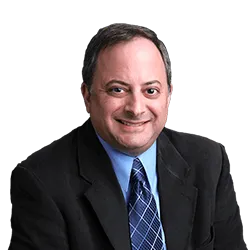
Comprehensive trust services in San Diego: what is the one rule you must follow under California Law?
The rule is simple and unforgiving: a trust only governs what is properly funded into it or legally directed to it, and your administration plan must be built around that reality under California Law. Legal Basis: Prob. Code § 15200 and Prob. Code § 15400.
- Trust documents and asset titling must match, or administration becomes slow and more public than it needs to be.
- Trustee authority is practical authority: institutions look for clean documentation and a clear fiduciary chain.
- For higher-value estates, the planning goal is control—privacy, governance, and predictable administration.
How I deliver comprehensive trust services for high-value San Diego families
I’m Steve Bliss, an Estate Planning Attorney and CPA in San Diego, and I’ve spent more than 35 years building trust plans that still function when families are under stress. My work is not limited to drafting; it is governance engineering: creating a trustee pathway, funding discipline, and documentation that reduces fiduciary risk and prevents avoidable conflict.
In one anonymized San Diego matter, a family believed the trust “covered everything,” but key accounts remained outside the trust, and the successor trustee had no practical file to prove authority quickly. When the dispute escalated, the San Diego Superior Court was the venue where the family needed a clear procedural strategy for trust instructions and contested issues. Legal Basis: Prob. Code § 17200.
My CPA advantage shows up where it matters: step-up in basis planning for appreciated assets, capital gains exposure on real estate and concentrated positions, and valuation discipline so trustee decisions are defensible and consistent with the plan’s intent.

Comprehensive trust services means the trust is drafted, funded, and operationally supported. That includes successor trustee readiness, record organization, and beneficiary communication planning that reduces the chance of a court-driven process. Legal Basis: Prob. Code § 16060.
For high-value families, I also plan for the predictable stress points: incapacity transitions, out-of-state trustees, and institutions that will not move without clean documentation and a clear fiduciary chain.
Strategic Insight (San Diego): When a successor trustee is out of state, delays often come from missing “ready-to-file” documentation and unclear beneficiary notice planning at the start of administration. Before the transition occurs, we build a trustee operations file and a notice roadmap so administration begins with control instead of confusion. The practical result is faster access to accounts and fewer openings for conflict to grow. Legal Basis: Prob. Code § 16061.7.
Why California Law and San Diego Superior Court venue shape trust outcomes
California Law governs trustee duties, beneficiary rights, and the court’s power to interpret or enforce trust administration. When conflict appears, San Diego Superior Court becomes the practical arena for instructions, disputes, and remedies tied to trust governance. Legal Basis: Prob. Code § 17200.
For higher-value estates, that venue reality matters because time, access, and fiduciary exposure are financial variables. A trust plan is “comprehensive” only when it anticipates how a trustee will prove authority, satisfy duties, and keep the administration orderly and as private as the law allows. Legal Basis: Prob. Code § 16060.
The “Immediate 5” questions San Diego families ask about comprehensive trust services
1) What does “comprehensive trust services” actually include for a San Diego family with significant assets?
It includes drafting and refining the trust, building the successor trustee pathway, funding discipline, and an administration file designed to function when the trustee must act. Under California Law, a trust’s creation and structure must be legally sound, and the plan must account for revocability, amendments, and operational control. Legal Basis: Prob. Code § 15200 and Prob. Code § 15400. If you want to avoid the kind of six-figure drift Kevin faced in my opening story, the service must cover funding and trustee readiness, not just a signature on paper.
2) How do I know whether my trust is properly funded and will actually control my San Diego property and accounts?
Funding is confirmed by titles, assignments, and beneficiary coordination—not by the trust binder on your shelf. California recognizes the creation of trusts through multiple lawful methods, but practical control depends on matching the trust plan to the asset record and the trustee’s ability to prove authority. Legal Basis: Prob. Code § 15200. Prevention is straightforward: we perform a funding audit and build a written funding map so your trustee is not negotiating with institutions while carrying costs accumulate.
3) What are my trustee’s duties to beneficiaries, and how do I reduce fiduciary risk in administration?
Trustees have enforceable duties, including a duty to keep qualified beneficiaries reasonably informed and to provide information relevant to their interests. A comprehensive service includes operational rules, recordkeeping discipline, and communication planning so the trustee can comply without becoming a target. Legal Basis: Prob. Code § 16060. If your concern is avoiding conflict like Kevin’s family faced, the solution is governance up front: documentation discipline and a trustee roadmap that narrows misunderstanding.
4) What happens after death in California, and what notices can trigger disputes if handled poorly?
After a settlor’s death, notice obligations can become the moment conflict starts if beneficiaries feel surprised or excluded. California provides a structured notice framework that impacts deadlines and the posture of potential contests, which is why comprehensive services include a notice plan and a trustee operations file. Legal Basis: Prob. Code § 16061.7. If you want to prevent the cost spiral shown in the opening story, we build the administration start-up steps now, not when emotions are high and time is expensive.
5) If a dispute arises, when does San Diego Superior Court get involved in a trust matter?
When a trustee needs instructions, beneficiaries challenge administration, or interpretation becomes contested, the court has authority to hear trust proceedings and issue orders. In San Diego, that means a strategy grounded in procedure, documentation, and risk control rather than informal family bargaining. Legal Basis: Prob. Code § 17200. The best prevention is to structure your trust, funding, and trustee file so disputes have less oxygen and administration has more clarity.

High-value trust planning is won or lost in the mechanics: proof, procedure, and fiduciary control. The next section focuses on the realities that determine whether a trust performs under pressure.
Procedural Realities
A) Evidence evaluation in estate and probate matters
In trust administration, evidence is the record: titles, schedules, assignments, trustee acceptance, and a clean chain of authority. When a trust is challenged, the court looks for clear governance and reliable documentation, not informal recollections. Legal Basis: Prob. Code § 15200 and Prob. Code § 16060.
- Estate planning documents vs financial account records: confirm what the trust says against what institutions recognize.
- Trust paperwork vs asset titling and beneficiary designations: identify gaps that create delays and disputes.
- Timeline consistency for capacity, amendments, and execution: keep changes documented so the trustee can defend the record.
- Tie to California trust procedures: a structured notice plan reduces deadline surprises and conflict triggers. Legal Basis: Prob. Code § 16061.7.
B) Settlement vs litigation reality
Once a trust dispute is framed as a court matter, leverage shifts toward procedure, deadlines, and record quality. In San Diego Superior Court, trust petitions often turn on whether the trustee can show disciplined administration and compliance with duties. Legal Basis: Prob. Code § 17200.
- What materially changes once a trust petition is filed: the court can issue instructions, compel actions, and set a formal track for the dispute.
- Discovery obligations, leverage, and litigation risk: documentation gaps become contested facts and costs rise quickly.
- Procedural reality only: notice timing and beneficiary posture often shape whether a dispute hardens or resolves. Legal Basis: Prob. Code § 16061.7.
C) Complex testamentary scenarios
Comprehensive trust services must cover modern assets and higher-stakes dynamics without turning the administration into a public contest file. For high-value families, the goal is controlled access, enforceable governance, and reduced openings for opportunistic conflict. Legal Basis: Prob. Code § 15400 and Prob. Code § 17200.
- Digital assets and cryptocurrency access planning for fiduciaries: the trustee needs lawful access instructions and a documented operational process tied to the administration file.
- No-contest clause boundaries: we draft within California’s no-contest framework so deterrence does not become litigation bait. Legal Basis: Prob. Code § 21310 and Prob. Code § 21311.
- Spousal and family dynamics: we structure trustee discretion and documentation to reduce ambiguity and keep administration orderly when relationships are complex.
Lived Experiences
Christopher Z.
“We thought we had a trust, but the real issue was control and follow-through. Steve Bliss organized our funding map, built a trustee file that made sense, and explained the fiduciary duties in plain language. The outcome was clarity and reduced conflict risk, which is exactly what our family needed.”
Amy J.
“Steve approached our trust planning with financial discipline and legal precision. He caught gaps that would have created delays and helped us build governance that felt private and orderly. The practical outcome was confidence that administration would not become a scramble.”
California Statutory Framework & Legal Authority
|
Attorney Advertising, Legal Disclosure & Authorship
ATTORNEY ADVERTISING.
This content is provided for general informational and educational purposes only and does not constitute legal, financial, or tax advice.
Under the California Rules of Professional Conduct and State Bar advertising regulations, this material may be considered attorney advertising.
Reading this content does not create an attorney-client relationship or any professional advisory relationship.
Laws vary by jurisdiction and are subject to change, including recent 2026 developments under California’s AB 2016 and evolving federal estate and reporting requirements.
You should consult a qualified attorney or advisor regarding your specific circumstances before taking action.
Responsible Attorney:
Steven F. Bliss, California Attorney (Bar No. 147856).
Local Office:
San Diego Probate Law3914 Murphy Canyon Rd San Diego, CA 92123 (858) 278-2800
San Diego Probate Law is a practice location and trade name used by Steven F. Bliss, Esq., a California-licensed attorney.
About the Author & Legal Review Process
This article was researched and drafted by the Legal Editorial Team of the Law Firm of Steven F. Bliss, Esq.,
a collective of attorneys, legal writers, and paralegals dedicated to translating complex legal concepts into clear, accurate guidance.
Legal Review:
This content was reviewed and approved by Steven F. Bliss, a California-licensed attorney (Bar No. 147856).
Mr. Bliss concentrates his practice in estate planning and estate administration, advising clients on proactive planning strategies and representing fiduciaries in probate and trust administration proceedings when formal court involvement becomes necessary.
With more than 35 years of experience in California estate planning and estate administration,
Mr. Bliss focuses on structuring enforceable estate plans, guiding fiduciaries through court-supervised proceedings,
resolving creditor and notice issues, and coordinating asset management to support compliant, timely distributions and reduce fiduciary risk.
|