The Harmless Error Rule Can An Improperly Witnessed Will Be Saved?
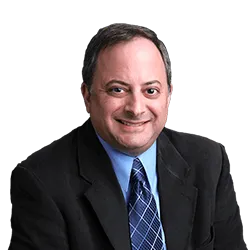
A properly executed will is the cornerstone of any estate plan, but even with careful preparation, mistakes can happen. The good news is that California’s “Harmless Error” rule, codified in Probate Code § 6110, offers a potential lifeline for wills with minor technical defects. However, relying on this rule is not a substitute for careful, attorney-led will drafting counsel. An experienced wills attorney can help you avoid these pitfalls in the first place, ensuring your wishes are legally enforceable. A will is often the first step in a comprehensive estate planning strategy, but it’s crucial to understand that a will alone may not address all your needs.
The Harmless Error rule allows a court to admit a will to probate even if it doesn’t perfectly comply with the statutory requirements, provided there is “clear and convincing evidence” of the testator’s intent. This means the court must be firmly convinced that the testator genuinely intended the document to be their will, despite the error. This is a high standard, and the burden of proof rests on the party seeking to admit the will.
What types of errors does the Harmless Error rule cover?

Common errors that might be excused under the Harmless Error rule include missing witness signatures, incorrect dates, or minor discrepancies in the testator’s signature. However, the error cannot be so substantial that it casts doubt on the testator’s intent. For example, a will that is entirely typed and lacks any signature at all is unlikely to be saved by this rule. The court will examine the totality of the circumstances, including any surrounding evidence of the testator’s wishes.
What evidence is needed to prove intent?
Demonstrating “clear and convincing evidence” of intent requires more than just a statement from family members. Courts look for corroborating evidence such as drafts of the will, emails or letters discussing the will, testimony from the witnesses (if available), and any other documentation that supports the testator’s desire to create the will. A CPA-attorney can also be helpful in establishing intent through financial records and estate planning documents that align with the will’s provisions.
What if the will is contested?
If a will is contested, the Harmless Error rule becomes even more critical. Opponents of the will will likely argue that the error is fatal and that the will should be invalidated. In such cases, the party seeking to admit the will must present a strong case demonstrating the testator’s intent. This is where the expertise of a wills counsel addressing contest risk is invaluable. They can navigate the complex legal procedures and present compelling evidence on your behalf.
How does the Harmless Error rule apply to holographic wills?
Holographic wills, which are entirely handwritten by the testator, have different requirements than traditional typed wills. While they don’t require witnesses, they must be entirely in the testator’s handwriting. The Harmless Error rule can apply to holographic wills as well, but the standard for proving intent may be higher due to the lack of witnesses. If a DIY kit is partially typed but missing witnesses, it often fails this standard.
What are the risks of relying on a will without proper execution?
Even if the Harmless Error rule ultimately saves your will, the legal battle can be costly and time-consuming. Moreover, there is no guarantee that the court will agree with your interpretation of the testator’s intent. A will that is properly executed from the outset avoids these risks and ensures your wishes are carried out smoothly and efficiently. In San Diego, probate proceedings can be particularly complex, making proper planning even more essential.
What is the role of a CPA in estate planning and will validation?
While attorneys focus on the legal aspects of will drafting and validation, a CPA brings a unique perspective to the process. They can analyze the tax implications of the will, ensuring that it is structured to minimize estate taxes and maximize the benefits for your beneficiaries. Furthermore, a CPA can help establish the testator’s intent by providing financial records and estate planning documents that align with the will’s provisions. The step-up in basis, capital gains considerations, and accurate valuation of assets are all areas where a CPA’s expertise is crucial.
What happens if a will is deemed invalid?
If a will is deemed invalid, the testator’s assets will be distributed according to California’s intestate succession laws. This means the assets will be divided among the testator’s heirs based on a predetermined formula, regardless of their wishes. This can lead to unintended consequences and may not reflect the testator’s desired distribution plan. It’s a stark reminder of the importance of having a valid, properly executed will.
How can I ensure my will is valid and enforceable?
The best way to ensure your will is valid and enforceable is to work with an experienced estate planning attorney. They can guide you through the process, ensuring that all statutory requirements are met and that your wishes are clearly expressed. They can also advise you on potential tax implications and help you structure your estate plan to minimize estate taxes and maximize the benefits for your beneficiaries. A attorney drafting wills under California Probate Code will be familiar with the nuances of the law and can help you avoid costly mistakes.
What are the implications of marriage or divorce on an existing will?
Marriage or divorce can significantly impact an existing will. Divorce automatically revokes any provisions in the will that benefit the ex-spouse (PC § 6122). Conversely, marriage after a will is signed may trigger “Omitted Spouse” rights, entitling the new spouse to a statutory share regardless of the Will’s terms. It’s crucial to review and update your will whenever your marital status changes.
What if I have digital assets, like online accounts and cryptocurrency?
Digital assets, such as online accounts, social media profiles, and cryptocurrency, present unique challenges in estate planning. Without specific instructions in your will or trust, your Successor Trustee may be unable to access these assets. It’s important to include provisions in your estate plan that address the management and distribution of your digital assets. A CPA-attorney can help you navigate the complexities of digital asset succession and ensure your online legacy is protected.
What is the difference between a will and a trust?
A will is a legal document that specifies how your assets will be distributed after your death. A trust, on the other hand, is a legal arrangement that allows you to transfer ownership of your assets to a trustee, who manages them for the benefit of your beneficiaries. Trusts offer greater flexibility and control than wills and can be used to avoid probate, minimize estate taxes, and protect assets from creditors. A structured estate planning framework will often incorporate both wills and trusts to achieve your specific goals.
|
Attorney Advertising, Legal Disclosure & Authorship
ATTORNEY ADVERTISING.
This content is provided for general informational and educational purposes only and does not constitute legal, financial, or tax advice.
Under the California Rules of Professional Conduct and State Bar advertising regulations, this material may be considered attorney advertising.
Reading this content does not create an attorney-client relationship or any professional advisory relationship.
Laws vary by jurisdiction and are subject to change, including recent 2026 developments under California’s AB 2016 and evolving federal estate and reporting requirements.
You should consult a qualified attorney or advisor regarding your specific circumstances before taking action.
Responsible Attorney:
Steven F. Bliss, California Attorney (Bar No. 147856).
Local Office:
San Diego Probate Law3914 Murphy Canyon Rd San Diego, CA 92123 (858) 278-2800
San Diego Probate Law is a practice location and trade name used by Steven F. Bliss, Esq., a California-licensed attorney.
About the Author & Legal Review Process
This article was researched and drafted by the Legal Editorial Team of the Law Firm of Steven F. Bliss, Esq.,
a collective of attorneys, legal writers, and paralegals dedicated to translating complex legal concepts into clear, accurate guidance.
Legal Review:
This content was reviewed and approved by Steven F. Bliss, a California-licensed attorney (Bar No. 147856).
Mr. Bliss concentrates his practice in estate planning and estate administration, advising clients on proactive planning strategies and representing fiduciaries in probate and trust administration proceedings when formal court involvement becomes necessary.
With more than 35 years of experience in California estate planning and estate administration,
Mr. Bliss focuses on structuring enforceable estate plans, guiding fiduciaries through court-supervised proceedings,
resolving creditor and notice issues, and coordinating asset management to support compliant, timely distributions and reduce fiduciary risk.
|