The Role Of A Certificate Of Independent Review Pc 21384?
A properly drafted will is only the first step in a comprehensive estate planning strategy. Even a well-executed will can be challenged in court, particularly if there are concerns about the testator’s capacity or the possibility of undue influence. To mitigate this risk, California law allows for a “Certificate of Independent Review” under Probate Code § 21384. This certificate, signed by an attorney who was not involved in drafting the will, can create a rebuttable presumption of validity, protecting the estate from costly litigation. An experienced wills attorney in San Diego can advise you on the benefits of obtaining a certificate and ensure it is properly executed to maximize its effectiveness.
The certificate is not a guarantee against a challenge, but it significantly raises the burden of proof for anyone contesting the will. A coordinated estate planning structure, including a Certificate of Independent Review, can provide peace of mind and ensure your wishes are carried out efficiently.
What is a Certificate of Independent Review in California?

A Certificate of Independent Review is a written statement, signed by an attorney who did not draft the will, affirming that they reviewed the document with the testator and believe they possessed the necessary testamentary capacity to make the will. It also confirms the attorney found no evidence of fraud, duress, coercion, or undue influence. The attorney must also state they discussed the will’s overall effect with the testator. This independent assessment provides a layer of protection against future challenges.
The certificate is filed with the court along with the will. While it doesn’t prevent a contest, it shifts the burden of proof to the challenger to demonstrate the testator lacked capacity or was subject to improper influence. This can be a significant advantage, as proving undue influence requires a high standard of evidence.
What are the requirements for a valid Certificate of Independent Review?
To be valid, the certificate must meet specific requirements outlined in Probate Code § 21384. First, the attorney signing the certificate must not have drafted the will. Second, they must have personally reviewed the will with the testator. Third, the attorney must have discussed the will’s overall effect with the testator. Finally, the certificate must include a statement affirming the testator appeared to possess the necessary testamentary capacity and that the attorney found no evidence of fraud, duress, coercion, or undue influence. A wills counsel addressing contest risk can ensure these requirements are meticulously met.
When should I obtain a Certificate of Independent Review?
The best time to obtain a Certificate of Independent Review is when the will is initially executed. It’s particularly important in situations where there is a potential for conflict, such as when the testator has a complex family dynamic, has made significant changes to their estate plan, or has a history of cognitive impairment.
Can a Certificate of Independent Review prevent all will contests?
No, a Certificate of Independent Review does not guarantee a will will be immune from challenge. However, it creates a rebuttable presumption of validity, meaning the challenger must present evidence to overcome that presumption. This can significantly increase the cost and difficulty of a successful contest.
A testamentary drafting attorney in San Diego can explain the nuances of the law and help you determine if a certificate is appropriate for your situation.
What happens if a will is contested despite a Certificate of Independent Review?
If a will is contested despite a Certificate of Independent Review, the challenger must present evidence to rebut the presumption of validity. This may involve presenting medical records, witness testimony, or other evidence to demonstrate the testator lacked capacity or was subject to undue influence. The court will weigh the evidence and determine whether the will is valid.
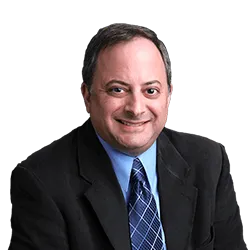
With over 35 years of experience as both an Estate Planning Attorney and a CPA, I have seen firsthand the devastating impact of will contests on families. The CPA advantage lies in understanding the tax implications of estate planning decisions, including the step-up in basis for inherited assets, potential capital gains taxes, and the importance of accurate asset valuation.
What is the role of capacity in a will contest?
Testamentary capacity is the legal ability to make a will. To have capacity, the testator must understand the nature of the act, the nature and extent of their assets, and their relationship to their beneficiaries. California uses a relatively low threshold for capacity; the testator does not need to have perfect mental health, but they must understand the basic implications of their actions. Cite Probate Code § 6100.5.
What constitutes undue influence in California?
Undue influence occurs when someone exerts excessive pressure on the testator to make a will that benefits them. California uses a “Four-Prong Test” to identify undue influence: vulnerability of the victim, the influencer’s apparent authority, the tactics used, and the inequity of the result. Gifts to non-family caregivers are legally presumed fraudulent unless validated by an independent attorney. Cite WIC § 15610.70 and Probate Code § 21380.
How does a no-contest clause affect a will challenge?
A no-contest clause, also known as an “in terrorem” clause, discourages beneficiaries from challenging a will by threatening to forfeit their inheritance if they do so. However, a no-contest clause is only enforceable against “direct contests” brought without probable cause. If a beneficiary has reasonable facts to believe the Will is invalid (due to capacity or fraud), they may contest without the risk of forfeiting their inheritance. Cite the “Probable Cause” Shield (Probate Code § 21311).
What are the formal requirements for a valid will in California?
A valid California Will must be signed by the testator and two simultaneous witnesses. However, under the “Harmless Error” rule (PC § 6110(c)(2)), a court may admit an improperly witnessed Will if there is “clear and convincing evidence” of the testator’s intent. Cite Probate Code § 6110.
Are handwritten wills valid in California?
A “Holographic Will” is valid in California without witnesses if the signature and the “material provisions” are in the testator’s own handwriting. DIY kits that are partially typed but missing witnesses often fail this standard. Cite Probate Code § 6111.
|
Attorney Advertising, Legal Disclosure & Authorship
ATTORNEY ADVERTISING.
This content is provided for general informational and educational purposes only and does not constitute legal, financial, or tax advice.
Under the California Rules of Professional Conduct and State Bar advertising regulations, this material may be considered attorney advertising.
Reading this content does not create an attorney-client relationship or any professional advisory relationship.
Laws vary by jurisdiction and are subject to change, including recent 2026 developments under California’s AB 2016 and evolving federal estate and reporting requirements.
You should consult a qualified attorney or advisor regarding your specific circumstances before taking action.
Responsible Attorney:
Steven F. Bliss, California Attorney (Bar No. 147856).
Local Office:
San Diego Probate Law3914 Murphy Canyon Rd San Diego, CA 92123 (858) 278-2800
San Diego Probate Law is a practice location and trade name used by Steven F. Bliss, Esq., a California-licensed attorney.
About the Author & Legal Review Process
This article was researched and drafted by the Legal Editorial Team of the Law Firm of Steven F. Bliss, Esq.,
a collective of attorneys, legal writers, and paralegals dedicated to translating complex legal concepts into clear, accurate guidance.
Legal Review:
This content was reviewed and approved by Steven F. Bliss, a California-licensed attorney (Bar No. 147856).
Mr. Bliss concentrates his practice in estate planning and estate administration, advising clients on proactive planning strategies and representing fiduciaries in probate and trust administration proceedings when formal court involvement becomes necessary.
With more than 35 years of experience in California estate planning and estate administration,
Mr. Bliss focuses on structuring enforceable estate plans, guiding fiduciaries through court-supervised proceedings,
resolving creditor and notice issues, and coordinating asset management to support compliant, timely distributions and reduce fiduciary risk.
|