The Role Of A Self Proving Affidavit In California Probate?
A properly executed will is the cornerstone of most estate plans, but even a perfectly drafted document can be challenged if its execution doesn’t meet strict California legal requirements. That’s where a “self-proving affidavit” comes in. An experienced wills attorney can guide you through the process of creating a will that minimizes the risk of contest and ensures your assets are distributed according to your wishes. This affidavit, signed by you and your witnesses, provides a sworn statement verifying the proper execution of your will, streamlining the probate process and reducing the potential for disputes. A comprehensive estate planning strategy often includes not only a will but also trusts, powers of attorney, and healthcare directives, all working in concert to protect your legacy.
The primary benefit of a self-proving affidavit is to avoid the need to locate and subpoena the witnesses to your will after your death. This can be particularly crucial if witnesses have moved, become incapacitated, or are deceased. Without the affidavit, the court may require extensive evidence to verify the will’s authenticity, potentially delaying probate and increasing costs. As a CPA-attorney, I understand the tax implications of estate planning, including the crucial step-up in basis for inherited assets, which can significantly reduce capital gains taxes for your beneficiaries. Proper asset titling and beneficiary designations are also critical components of a well-structured plan.
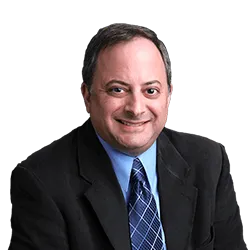
I’ve been practicing as an Estate Planning Attorney & CPA in San Diego, California, for over 35 years, and I’ve seen firsthand how a seemingly minor error in will execution can lead to significant legal complications. The cost of litigating a will contest can easily exceed the value of the assets in question, and the emotional toll on your family can be immeasurable. A well-drafted will, coupled with a self-proving affidavit, provides peace of mind knowing your wishes will be honored.
What are the specific requirements for a valid self-proving affidavit in California?

In California, a self-proving affidavit must be a sworn statement signed by the testator (the person making the will) and the witnesses in the presence of a notary public. The affidavit must specifically attest that the testator signed the will willingly and that the witnesses witnessed the signing. The notary must properly administer an oath to each signatory, verifying the truthfulness of their statements. The affidavit is typically attached to the will itself and becomes part of the probate record. The requirements are detailed in Probate Code § 6110.
Can a self-proving affidavit be added to a will after it’s been signed?
Generally, no. A self-proving affidavit must be executed *contemporaneously* with the signing of the will. It’s an integral part of the original execution process. If you attempt to add an affidavit after the will is signed, it will likely be deemed invalid. You would need to execute a new will with a properly completed self-proving affidavit. This is a common mistake, and an attorney-led will drafting counsel can ensure the process is done correctly from the outset.
What happens if a witness is unavailable even with a self-proving affidavit?
While a self-proving affidavit significantly reduces the need for witness testimony, it doesn’t eliminate it entirely. If the affidavit is somehow challenged or found to be defective, the court may still require witness testimony. However, the affidavit provides a strong presumption of validity, making it more difficult to successfully contest the will. In San Diego, courts often prioritize affidavits that are clear, concise, and properly executed.
What if I downloaded a will template online? Is a self-proving affidavit still useful?
While a self-proving affidavit can be helpful even with a downloaded will template, it doesn’t negate the risks associated with using a generic form. Online templates often fail to address the specific needs and circumstances of your estate. A wills attorney in San Diego can analyze your situation, identify potential pitfalls, and draft a will tailored to your unique requirements. Furthermore, they can ensure the self-proving affidavit is properly completed and executed, minimizing the risk of challenge.
How does a self-proving affidavit relate to the broader estate planning process?
A self-proving affidavit is just one piece of the puzzle. A structured testamentary drafting strategy should include a comprehensive estate planning framework that addresses all aspects of your legacy. This includes trusts, powers of attorney, healthcare directives, and beneficiary designations. A coordinated estate planning structure ensures your assets are protected, your wishes are honored, and your family is provided for. It’s about more than just a will; it’s about a long-term estate planning approach designed to minimize taxes, avoid probate, and protect your loved ones.
Attorney Advertising, Legal Disclosure & Authorship
ATTORNEY ADVERTISING.
This content is provided for general informational and educational purposes only and does not constitute legal, financial, or tax advice.
Under the California Rules of Professional Conduct and State Bar advertising regulations, this material may be considered attorney advertising.
Reading this content does not create an attorney-client relationship or any professional advisory relationship.
Laws vary by jurisdiction and are subject to change, including recent 2026 developments under California’s AB 2016 and evolving federal estate and reporting requirements.
You should consult a qualified attorney or advisor regarding your specific circumstances before taking action.
Responsible Attorney:
Steven F. Bliss, California Attorney (Bar No. 147856).
Local Office:
San Diego Probate Law3914 Murphy Canyon Rd San Diego, CA 92123 (858) 278-2800
San Diego Probate Law is a practice location and trade name used by Steven F. Bliss, Esq., a California-licensed attorney.
About the Author & Legal Review Process
This article was researched and drafted by the Legal Editorial Team of the Law Firm of Steven F. Bliss, Esq.,
a collective of attorneys, legal writers, and paralegals dedicated to translating complex legal concepts into clear, accurate guidance.
Legal Review:
This content was reviewed and approved by Steven F. Bliss, a California-licensed attorney (Bar No. 147856).
Mr. Bliss concentrates his practice in estate planning and estate administration, advising clients on proactive planning strategies and representing fiduciaries in probate and trust administration proceedings when formal court involvement becomes necessary.
With more than 35 years of experience in California estate planning and estate administration,
Mr. Bliss focuses on structuring enforceable estate plans, guiding fiduciaries through court-supervised proceedings,
resolving creditor and notice issues, and coordinating asset management to support compliant, timely distributions and reduce fiduciary risk. |