

Updating Your Estate Plan After Relocating To Or From California?
Relocating, even within the United States, can significantly impact the effectiveness of your estate plan. State laws governing wills, trusts, powers of attorney, and healthcare directives vary considerably. An experienced estate planning attorney can help you navigate these complexities and ensure your wishes are legally enforceable. Failing to update your estate plan can lead to unintended consequences, including probate exposure and increased fiduciary risk for your beneficiaries.
A comprehensive estate planning strategy should be reviewed whenever a significant life event occurs, and a change of residence is certainly one of those events.
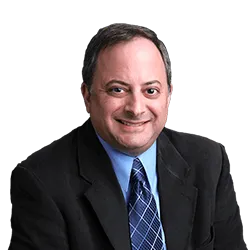
I’ve been practicing as an estate planning attorney and CPA in San Diego for over 35 years, and I’ve seen firsthand the problems that arise when clients neglect to update their estate plans after a move. The interplay between federal and state laws, coupled with the nuances of asset titling and beneficiary designations, requires careful consideration. As a CPA, I’m uniquely positioned to integrate tax planning into the estate planning process, maximizing the step-up in basis for inherited assets and minimizing capital gains liabilities. This is particularly important when dealing with real estate, which often constitutes a significant portion of a client’s net worth.
What happens to my existing will if I move to California?

Generally, a will validly executed in one state remains valid in California, provided it meets certain requirements. However, California has specific rules regarding the execution of wills, such as the requirement of two witnesses. If your will doesn’t comply with California’s witnessing requirements, it may be deemed invalid. Furthermore, even if the will is technically valid, it’s often advisable to create a new will specifically tailored to California law to avoid any potential challenges.
The process of validating a will from another state can be complex and time-consuming. It’s always best to consult with an estate planning attorney in San Diego to determine the best course of action.
Will my trust still work if I move to California?
The validity of your trust will depend on its terms and the laws of the state where it was originally created. A revocable trust is generally more portable than a will, but it’s still crucial to review it after a move. You may need to amend the trust to reflect your new domicile and ensure it complies with California law. Specifically, California has unique rules regarding trust funding and asset retitling, which can impact the effectiveness of your trust.
For example, California requires that real property be specifically identified in the trust deed to be properly transferred. Failing to properly fund the trust can result in your assets being subject to probate, even if you have a valid trust.
Do I need to update my powers of attorney after relocating?
Yes, it’s highly recommended to update your powers of attorney after moving to California. Powers of attorney laws vary significantly from state to state. A power of attorney executed in another state may not be recognized or enforceable in California. It’s essential to create new powers of attorney that comply with California law and designate agents who are familiar with California’s legal requirements.
California has specific requirements for the form and content of powers of attorney, including the requirement of a statutory form for healthcare powers of attorney. An outdated power of attorney could leave your agent unable to act on your behalf in a medical emergency.
What about my healthcare directives if I move to California?
Similar to powers of attorney, healthcare directives, such as advance healthcare directives and POLST forms, are state-specific. Your existing healthcare directives may not be valid in California. It’s crucial to create new healthcare directives that comply with California law and reflect your wishes regarding medical treatment. California has specific forms and requirements for advance healthcare directives, and it’s important to ensure they are properly executed and witnessed.
Understanding the distinction between an advance healthcare directive (which outlines your general wishes) and a POLST form (which provides specific instructions for emergency medical care) is also critical. An estate planning attorney in San Diego can help you navigate these complexities.
How does moving affect the tax implications of my estate plan?
Relocating can have significant tax implications for your estate plan. California has different rules regarding estate tax, income tax, and property tax than other states. As a CPA-attorney, I can help you integrate tax planning into your estate plan to minimize your tax liabilities. For example, California does not have a state estate tax, but it does have a capital gains tax that can impact the distribution of inherited assets.
Furthermore, the step-up in basis for inherited assets can be affected by your domicile at the time of death. It’s essential to understand these nuances and plan accordingly to maximize your tax benefits.
What is a Heggstad Petition and when would I need one?
A Heggstad Petition, under Probate Code § 850, is a valuable tool for correcting errors in asset titling. If you intended for an asset to be owned by your trust but it was never formally transferred, a Heggstad Petition can often move the property into the trust without a full probate proceeding. This can save your estate significant time and expense, roughly 4% of the property’s gross value in statutory fees. This is especially useful when dealing with real estate or other valuable assets.
However, a Heggstad Petition is not always appropriate. It’s essential to consult with an estate planning attorney in San Diego to determine if it’s the right solution for your specific situation.
What are the implications of Prop 19 on inherited property?
Prop 19 significantly impacts the ability of heirs to retain a parent’s property tax base. Heirs only retain the parent’s taxable base if the property was the parent’s primary residence AND the heir moves in as their primary residence within one year of the parent’s death. If these conditions are not met, the property will be reassessed to its current market value, potentially resulting in a significant increase in property taxes.
Understanding the requirements of Prop 19 is crucial when planning for the transfer of real estate to your heirs. An estate planning attorney in San Diego can help you navigate these complexities and minimize your tax liabilities.
What is the Trustee Transparency Act and how does it affect my beneficiaries?
Under AB 1079, the Trustee Transparency Act (Probate Code § 15800), once a settlor is established as incapacitated, the Successor Trustee must provide a copy of the trust and annual accountings to the remainder beneficiaries within 60 days. This law aims to increase transparency and accountability for trustees. Failure to comply with the Trustee Transparency Act can result in legal penalties and potential liability for the trustee.
It’s essential for trustees to understand their obligations under AB 1079 and ensure they are providing the required information to beneficiaries in a timely manner.
What is RUFADAA and why is it important for digital assets?
RUFADAA (Probate Code § 870) stands for the Revised Uniform Fiduciary Access to Digital Assets Act. Without specific “RUFADAA disclosure” language in your Trust, custodians like Google or Coinbase are legally permitted to block your Successor Trustee’s access to your digital legacy. This can create significant challenges when trying to manage your digital assets after your death.
It’s essential to include RUFADAA disclosure language in your trust to ensure your Successor Trustee has access to your digital assets, such as online accounts, social media profiles, and cryptocurrency holdings.
What is the One Big Beautiful Bill Act and how does it affect federal estate taxes?
The One Big Beautiful Bill Act (OBBBA) permanently fixed the Federal Estate Tax Exemption at $15 million per person ($30 million for couples) as of January 1, 2026. While California has NO state estate tax, understanding the federal exemption threshold is crucial for high-net-worth individuals. If your estate exceeds the federal exemption threshold, it may be subject to federal estate taxes.
An estate planning attorney in San Diego can help you navigate these complexities and minimize your tax liabilities.
|
Attorney Advertising, Legal Disclosure & Authorship
ATTORNEY ADVERTISING.
This content is provided for general informational and educational purposes only and does not constitute legal, financial, or tax advice.
Under the California Rules of Professional Conduct and State Bar advertising regulations, this material may be considered attorney advertising.
Reading this content does not create an attorney-client relationship or any professional advisory relationship.
Laws vary by jurisdiction and are subject to change, including recent 2026 developments under California’s AB 2016 and evolving federal estate and reporting requirements.
You should consult a qualified attorney or advisor regarding your specific circumstances before taking action.
Responsible Attorney:
Steven F. Bliss, California Attorney (Bar No. 147856).
Local Office:
San Diego Probate Law3914 Murphy Canyon Rd San Diego, CA 92123 (858) 278-2800
San Diego Probate Law is a practice location and trade name used by Steven F. Bliss, Esq., a California-licensed attorney.
About the Author & Legal Review Process
This article was researched and drafted by the Legal Editorial Team of the Law Firm of Steven F. Bliss, Esq.,
a collective of attorneys, legal writers, and paralegals dedicated to translating complex legal concepts into clear, accurate guidance.
Legal Review:
This content was reviewed and approved by Steven F. Bliss, a California-licensed attorney (Bar No. 147856).
Mr. Bliss concentrates his practice in estate planning and estate administration, advising clients on proactive planning strategies and representing fiduciaries in probate and trust administration proceedings when formal court involvement becomes necessary.
With more than 35 years of experience in California estate planning and estate administration,
Mr. Bliss focuses on structuring enforceable estate plans, guiding fiduciaries through court-supervised proceedings,
resolving creditor and notice issues, and coordinating asset management to support compliant, timely distributions and reduce fiduciary risk.
|