

What Estate Planning Means Under California Law?
What Does Estate Planning Actually Encompass in California?

Estate planning isn’t just about drafting a Will. It’s a holistic process designed to manage your assets, protect your loved ones, and ensure your wishes are honored, both during your life and after your passing. In California, this involves a coordinated suite of documents and strategies tailored to your specific circumstances. A well-executed plan minimizes taxes, avoids probate, and provides clear instructions for your healthcare and financial affairs.
At its core, estate planning is about control. You decide who receives what, when they receive it, and how it’s managed. Without a plan, California law dictates these outcomes, which may not align with your desires. This is especially crucial in a state as complex as California, with its unique property laws and probate procedures.
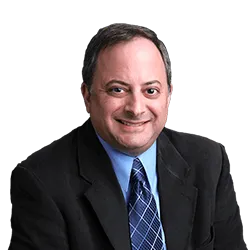
Having practiced estate planning and as a Certified Public Accountant for over 35 years here in San Diego, I’ve seen firsthand the peace of mind a comprehensive plan provides. The CPA advantage is significant. We don’t just look at *what* you own, but also the *cost basis* of those assets. This impacts capital gains taxes upon sale, and accurate valuation is critical for minimizing estate tax liability.
What are the Key Components of a California Estate Plan?
A typical California estate plan includes several essential documents. These include a Revocable Living Trust, a Pour-Over Will, a Durable Power of Attorney for financial matters, and an Advance Healthcare Directive. Each document serves a specific purpose and works in concert with the others to create a robust framework for managing your affairs.
The Revocable Living Trust is the cornerstone of most plans. It allows you to transfer ownership of your assets into the Trust during your lifetime, avoiding probate upon your death. The Pour-Over Will acts as a safety net, capturing any assets not titled in the Trust. The Powers of Attorney authorize someone to manage your finances if you become incapacitated, and the Advance Healthcare Directive outlines your wishes regarding medical treatment.
Beyond these core documents, other tools may be appropriate, such as Healthcare Powers of Attorney, beneficiary designations on retirement accounts, and specific instructions for digital assets. It’s important to remember that estate planning is not a one-size-fits-all solution; it must be customized to your individual needs and goals.
How Does Probate Work in California, and How Can Estate Planning Help Me Avoid It?
Probate is the court-supervised process of validating a Will, identifying and valuing assets, paying debts and taxes, and distributing the remaining assets to your heirs. In California, probate can be a lengthy and expensive process, often taking a year or more and costing 4-6% of the estate’s gross value. Avoiding probate is a primary goal for many of my clients.
A properly funded Revocable Living Trust is the most effective way to avoid probate. Because the assets are already owned by the Trust, they bypass the probate process and are distributed directly to your beneficiaries according to the Trust’s terms. This saves time, money, and potential family conflict. However, it’s crucial to properly title all assets in the name of the Trust; simply having a Trust document isn’t enough.
If combined probate assets (excluding the AB 2016 residence) exceed $208,850 (effective April 1, 2025), the estate is subject to formal probate. A Will alone cannot bypass this limit.
What is the Role of a Successor Trustee, and What are Their Responsibilities?
The Successor Trustee is the person you designate to manage your Trust after your death or incapacity. This is a critical role, requiring a high level of responsibility and trustworthiness. The Successor Trustee is legally obligated to act in the best interests of the beneficiaries and follow the terms of the Trust.
Their responsibilities include gathering and valuing assets, paying debts and taxes, managing investments, and distributing assets to the beneficiaries. They must also keep accurate records and provide an accounting to the beneficiaries. Choosing the right Successor Trustee is paramount, and it’s often wise to name a backup in case your first choice is unable or unwilling to serve.
The transition of a Successor Trustee can be complex, especially if incapacity is involved. Clear instructions in the Trust document, along with proper funding and asset titling, are essential for a smooth transition. In San Diego, we often see disputes arise when the Trust document is ambiguous or incomplete.
What Happens if I Die Without an Estate Plan?
If you die without a valid Will or Trust in California, you are considered to have died “intestate.” This means the state’s laws of intestacy will dictate how your assets are distributed. The distribution scheme varies depending on your marital status and whether you have children. It may not align with your wishes, and it can lead to unintended consequences.
Without an estate plan, the court will appoint an administrator to manage your estate. This process is subject to probate, which, as we discussed, can be time-consuming and expensive. Additionally, without a designated guardian, the court will decide who cares for your minor children. It’s a far better approach to proactively plan for these scenarios.
The lack of a plan can also create significant family conflict, especially if there are blended families or complex asset structures. A comprehensive estate plan provides clarity and direction, minimizing the potential for disputes and ensuring your loved ones are protected.
What are Digital Assets, and How Should They Be Included in My Estate Plan?
Digital assets include online accounts, social media profiles, cryptocurrency, photos, and other digital content. These assets are often overlooked, but they can be valuable and important to your loved ones. Accessing these assets after your death can be challenging without proper planning.
Without specific RUFADAA language in a Trust or Will, service providers like Google or Coinbase can legally deny an executor access to digital accounts. California’s Revised Uniform Fiduciary Access to Digital Assets Act (RUFADAA) allows you to designate a digital executor to manage your digital assets. This requires including specific language in your estate planning documents.
It’s also important to maintain a list of your digital accounts and passwords in a secure location, accessible to your executor. Consider using a password manager and updating the list regularly. Protecting your digital legacy is an increasingly important aspect of modern estate planning.
How Often Should I Review and Update My Estate Plan?
Estate planning is not a one-time event; it’s an ongoing process. Your circumstances change over time – marriage, divorce, birth of children, changes in assets, and changes in the law – all necessitate a review and potential update of your plan. I recommend reviewing your plan at least every three to five years, or whenever a significant life event occurs.
Plans created before 2025 must be reviewed because the new AB 2016 and Small Estate limits do not apply retroactively to deaths occurring before the effective date. Tax laws also evolve, impacting the optimal strategies for minimizing estate tax liability. Staying current with these changes is crucial for ensuring your plan remains effective.
As an attorney and CPA practicing in San Diego for over 35 years, I’ve seen the devastating consequences of outdated or incomplete estate plans. Regular review and updates are essential for protecting your loved ones and ensuring your wishes are honored.
What is a Pour-Over Will and How Does it Work?
A Pour-Over Will is a safety net within a comprehensive estate plan. It’s designed to capture any assets that weren’t formally titled into your Revocable Living Trust during your lifetime. While the goal is to fund the Trust completely, oversights happen – a newly acquired asset, a forgotten account, or simply a lack of time to transfer ownership.
The Pour-Over Will directs these “forgotten” assets to be transferred into your Trust after your death. This ensures that all of your assets are ultimately managed and distributed according to the terms of the Trust, avoiding probate for those assets. However, assets passing through the Will are still subject to probate, so it’s crucial to prioritize proper Trust funding.
The Pour-Over Will is a valuable tool, but it’s not a substitute for a properly funded Trust. It’s a backup plan, not a primary strategy. Regularly reviewing your asset titling and updating your Trust funding is the best way to minimize the need for a Pour-Over Will.
What are Spendthrift Provisions and How Can They Protect My Beneficiaries?
Spendthrift provisions are clauses included in a Trust that protect your beneficiaries from their own financial mismanagement or creditors. They prevent beneficiaries from squandering their inheritance and shield the assets from lawsuits or other claims.
These provisions typically restrict a beneficiary’s ability to assign or transfer their interest in the Trust, and they prevent creditors from attaching the assets before they are actually distributed. Spendthrift provisions are particularly useful for beneficiaries who are young, inexperienced with finances, or have a history of poor financial decisions.
However, spendthrift provisions are not absolute. There are exceptions, such as child support obligations or certain government claims. Carefully drafting these provisions with an experienced attorney is essential for ensuring they are enforceable and achieve the desired level of protection.
What is the Step-Up in Basis, and How Does it Benefit My Heirs?
The step-up in basis is a significant tax advantage of estate planning. When you inherit assets, the cost basis is “stepped up” to the fair market value of the asset on the date of your death. This means your heirs only pay capital gains taxes on the appreciation *after* your death, significantly reducing their tax liability.
For example, if you purchased a stock for $10,000 and it’s worth $50,000 at the time of your death, your heirs will have a cost basis of $50,000. If they sell the stock for $60,000, they only pay capital gains taxes on the $10,000 gain. This can save a substantial amount of money, especially for assets that have appreciated significantly over time.
Proper valuation of assets is critical for maximizing the step-up in basis. As a CPA, I can provide accurate and defensible valuations, ensuring your heirs receive the full tax benefit. This is a key advantage of working with an attorney who also has a strong accounting background.
What is Medi-Cal Recovery, and How Can Estate Planning Help Me Protect My Assets?
Medi-Cal recovery is a program that allows the state of California to recoup the costs of long-term care services from the estate of a deceased Medi-Cal recipient. This can include selling assets, placing a lien on the home, or pursuing other legal remedies.
Estate planning can help you protect your assets from Medi-Cal recovery by strategically structuring your finances and transferring assets to beneficiaries. This may involve creating an Irrevocable Trust, gifting assets, or other advanced planning techniques. However, it’s crucial to comply with Medi-Cal’s asset look-back periods, which currently extend five years.
The asset look-back period is a critical factor in Medi-Cal eligibility. Any transfers made within the five-year period may be subject to penalty, delaying or denying Medi-Cal benefits. Working with an experienced attorney is essential for navigating these complex rules and protecting your assets.
What is a Guardianship Nomination, and Why is it Important for Parents of Minor Children?
A Guardianship Nomination is a provision in your Will that designates who you want to care for your minor children if you die before they reach adulthood. This is a critical decision, as it ensures your children are raised by someone you trust and who shares your values.
Without a Guardianship Nomination, the court will decide who becomes the guardian of your children. This process can be lengthy and contentious, and the court’s decision may not align with your wishes. It’s important to choose a guardian who is financially stable, emotionally mature, and willing to take on the responsibility of raising your children.
You should also name a backup guardian in case your first choice is unable or unwilling to serve. Discussing your wishes with potential guardians is essential for ensuring they are prepared to take on this important role.
What are Exclusionary Clauses and How Can They Be Used to Disinherit Someone?
An Exclusionary Clause is a provision in your Will or Trust that specifically excludes someone from receiving an inheritance. This is often used to disinherit a family member with whom you have a strained relationship or who has engaged in misconduct.
However, disinheritance is not always straightforward. California law allows a disinherited spouse or child to challenge the Will or Trust, claiming undue influence or lack of capacity. Carefully drafting the Exclusionary Clause with an experienced attorney is essential for minimizing the risk of a successful challenge.
It’s also important to clearly state your reasons for disinheritance in a separate document, such as a letter or memorandum. This can provide additional support for your decision and help defend against a potential legal challenge.
|
Attorney Advertising, Legal Disclosure & Authorship
ATTORNEY ADVERTISING.
This content is provided for general informational and educational purposes only and does not constitute legal, financial, or tax advice.
Under the California Rules of Professional Conduct and State Bar advertising regulations, this material may be considered attorney advertising.
Reading this content does not create an attorney-client relationship or any professional advisory relationship.
Laws vary by jurisdiction and are subject to change, including recent 2026 developments under California’s AB 2016 and evolving federal estate and reporting requirements.
You should consult a qualified attorney or advisor regarding your specific circumstances before taking action.
Responsible Attorney:
Steven F. Bliss, California Attorney (Bar No. 147856).
Local Office:
San Diego Probate Law3914 Murphy Canyon Rd San Diego, CA 92123 (858) 278-2800
San Diego Probate Law is a practice location and trade name used by Steven F. Bliss, Esq., a California-licensed attorney.
About the Author & Legal Review Process
This article was researched and drafted by the Legal Editorial Team of the Law Firm of Steven F. Bliss, Esq.,
a collective of attorneys, legal writers, and paralegals dedicated to translating complex legal concepts into clear, accurate guidance.
Legal Review:
This content was reviewed and approved by Steven F. Bliss, a California-licensed attorney (Bar No. 147856).
Mr. Bliss concentrates his practice in estate planning and estate administration, advising clients on proactive planning strategies and representing fiduciaries in probate and trust administration proceedings when formal court involvement becomes necessary.
With more than 35 years of experience in California estate planning and estate administration,
Mr. Bliss focuses on structuring enforceable estate plans, guiding fiduciaries through court-supervised proceedings,
resolving creditor and notice issues, and coordinating asset management to support compliant, timely distributions and reduce fiduciary risk.
|