What Formalities Must Be Followed To Avoid A Will Being Declared Invalid?
A will is a powerful tool for directing the distribution of your assets, but its effectiveness hinges on strict adherence to California law. An improperly executed will can be deemed invalid, leading to unintended consequences and costly probate proceedings. To ensure your wishes are honored, it’s critical to understand the specific requirements for a valid will in California. An experienced wills attorney can provide guidance on structured testamentary drafting strategy and help you avoid common pitfalls. The complexities of estate planning extend far beyond a simple will; a comprehensive estate planning strategy ensures all aspects of your legacy are protected.
The most common reason wills are challenged in San Diego is improper execution. California Probate Code § 6110 dictates that a will must be signed by the testator – the person making the will – and witnessed by two individuals who simultaneously observe the signing. The witnesses must also sign the will themselves, attesting to the testator’s signature. This requirement isn’t merely a formality; it’s designed to prevent fraud and ensure the testator’s genuine intent is reflected in the document.
With over 35 years of experience as both an Estate Planning Attorney and a CPA, I’ve seen firsthand the devastating consequences of even seemingly minor errors in will execution. My unique background allows me to integrate tax considerations into the drafting process, maximizing the benefit to your beneficiaries. For example, understanding the step-up in basis rules for inherited assets and minimizing capital gains taxes requires careful planning that goes beyond the scope of a standard will. This is particularly important in a high-cost area like San Diego, where real estate values can significantly impact estate tax exposure.
What happens if my will isn’t properly witnessed?
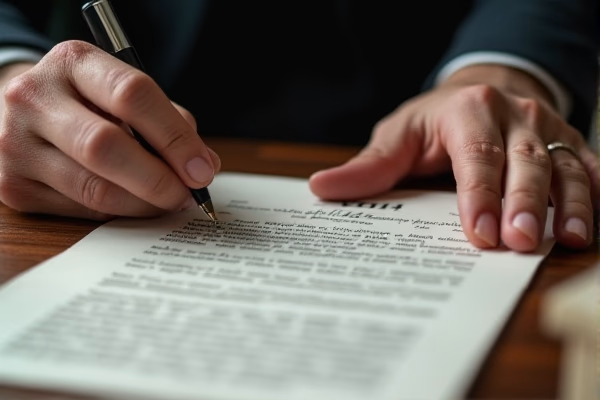
If a will isn’t properly witnessed, it’s generally considered invalid. However, California’s “Harmless Error” rule (PC § 6110(c)(2)) offers some relief. If there’s “clear and convincing evidence” that the testator intended the document to be their will, a court may admit it despite technical deficiencies. This is not a guarantee, and the burden of proof rests on the party seeking to validate the will. A wills attorney in San Diego can assess the situation and advise on the likelihood of success.
The court will look at factors like the testator’s mental capacity, the presence of any fraud or undue influence, and the overall consistency of the document with the testator’s known wishes. It’s crucial to document any circumstances surrounding the will’s execution, such as the reason for the non-compliance and any attempts to rectify the error.
Can a handwritten will be valid in California?
Yes, a “Holographic Will” is valid in California without witnesses, but it must meet specific requirements. Probate Code § 6111 states that the signature and “material provisions” must be entirely in the testator’s own handwriting. This means no pre-printed forms or typed portions are allowed. DIY kits that are partially typed but missing witnesses often fail this standard.
The entire will doesn’t need to be handwritten, but the key terms – who receives what assets – must be. Ambiguity or inconsistencies in the handwriting can also lead to challenges. It’s generally advisable to consult with an attorney-led will drafting counsel to ensure a holographic will is legally sound.
What if I get married or divorced after signing my will?
Marriage or divorce can significantly impact the validity of your will. Probate Code § 6122 and § 21610 address these scenarios. Divorce automatically revokes any provisions in your will benefiting your ex-spouse. Conversely, marriage after a will is signed may trigger “Omitted Spouse” rights, entitling your new spouse to a statutory share regardless of the will’s terms.
It’s essential to review and update your will whenever your marital status changes. Failing to do so can lead to unintended beneficiaries and costly legal disputes. A California wills attorney can help you navigate these complexities and ensure your will reflects your current family situation.
What happens if I forget to include an asset in my will?
If an asset is unintentionally omitted from your will, it will be distributed according to California’s intestate succession laws – as if you died without a will. However, there are exceptions. If the omission was a mere oversight, a Heggstad Petition (Probate Code § 850) can often move the property into the trust without a full probate, saving roughly 4% in statutory fees.
A Heggstad Petition is most effective when the omission was unintentional and the asset would have naturally been included in the estate plan. It’s crucial to maintain accurate records of your assets and regularly review your will to prevent such oversights.
How does separate property affect my will?
Understanding the distinction between separate and community property is vital for effective estate planning. The Transmutation Rule (Family Code § 852) governs how property is classified. Changing “separate property” into “community property” requires an express, written “transmutation” declaration. Adding a spouse to a deed is often legally insufficient to change the property’s character.
Properly titling assets and documenting their characterization is essential to avoid disputes. A CPA-attorney integrating tax considerations into wills can help you navigate these complexities and ensure your estate plan accurately reflects your asset ownership.
|
Attorney Advertising, Legal Disclosure & Authorship
ATTORNEY ADVERTISING.
This content is provided for general informational and educational purposes only and does not constitute legal, financial, or tax advice.
Under the California Rules of Professional Conduct and State Bar advertising regulations, this material may be considered attorney advertising.
Reading this content does not create an attorney-client relationship or any professional advisory relationship.
Laws vary by jurisdiction and are subject to change, including recent 2026 developments under California’s AB 2016 and evolving federal estate and reporting requirements.
You should consult a qualified attorney or advisor regarding your specific circumstances before taking action.
Responsible Attorney:
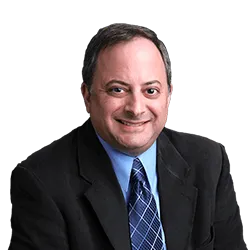
Steven F. Bliss, California Attorney (Bar No. 147856).
Local Office:
San Diego Probate Law3914 Murphy Canyon Rd San Diego, CA 92123 (858) 278-2800
San Diego Probate Law is a practice location and trade name used by Steven F. Bliss, Esq., a California-licensed attorney.
About the Author & Legal Review Process
This article was researched and drafted by the Legal Editorial Team of the Law Firm of Steven F. Bliss, Esq.,
a collective of attorneys, legal writers, and paralegals dedicated to translating complex legal concepts into clear, accurate guidance.
Legal Review:
This content was reviewed and approved by Steven F. Bliss, a California-licensed attorney (Bar No. 147856).
Mr. Bliss concentrates his practice in estate planning and estate administration, advising clients on proactive planning strategies and representing fiduciaries in probate and trust administration proceedings when formal court involvement becomes necessary.
With more than 35 years of experience in California estate planning and estate administration,
Mr. Bliss focuses on structuring enforceable estate plans, guiding fiduciaries through court-supervised proceedings,
resolving creditor and notice issues, and coordinating asset management to support compliant, timely distributions and reduce fiduciary risk.
|