
What Makes A Will Legally Valid In California?
A valid will in California requires strict adherence to the law, and even seemingly minor errors can invalidate the entire document. Understanding these requirements is crucial for ensuring your wishes are honored. An experienced wills attorney can guide you through the process, minimizing the risk of costly disputes and ensuring your estate plan is legally sound. Properly structured testamentary drafting strategy is essential to avoid these pitfalls.
A comprehensive estate planning strategy goes far beyond simply creating a will. It involves coordinating all your assets, beneficiary designations, and healthcare directives to create a seamless transition of wealth and protect your loved ones. A will is a vital component, but it’s only one piece of the puzzle.
What are the basic requirements for a California will to be valid?

California law, specifically the Probate Code, outlines several key requirements for a valid will. First, the testator – the person making the will – must be of sound mind. This means they must understand the nature of the document, the extent of their assets, and who their beneficiaries are. Second, the testator must be at least 18 years old. Finally, the will must be in writing.
What does it mean to have “testamentary capacity” when signing a will?
Testamentary capacity is a legal standard that ensures the testator understands what they are doing when they sign their will. It’s more than simply being of legal age. The testator must be able to understand the nature of the act, the extent of their property, and their relationship to their beneficiaries. Challenges to a will often center around claims of diminished capacity, making careful documentation essential.
How many witnesses are required for a California will, and what are their responsibilities?
A valid California will generally requires two witnesses. These witnesses must be present when the testator signs the will and must also sign the will themselves. They do not need to know the contents of the will, but they must attest to the fact that they saw the testator sign it. Witnesses should be disinterested, meaning they do not stand to benefit from the will. A wills attorney in San Diego can ensure proper execution and witness compliance.
Can a handwritten will be valid in California?
Yes, California recognizes “holographic wills” – wills that are entirely handwritten by the testator. However, these wills must be entirely in the testator’s own handwriting and signed by them. No witnesses are required for a holographic will. However, proving the authenticity of a holographic will can be challenging, especially if the handwriting is difficult to decipher.
What happens if a will is not properly witnessed or executed?
If a will is not properly witnessed or executed, it may be deemed invalid by the court. This means your assets will be distributed according to California’s intestate succession laws, which may not align with your wishes. This can lead to lengthy and expensive probate proceedings.
What is the “Harmless Error” rule in California wills?
The “Harmless Error” rule (Probate Code § 6110(c)(2)) provides some flexibility. A court may admit an improperly witnessed Will if there is “clear and convincing evidence” of the testator’s intent. However, relying on this rule is risky, and it’s always best to ensure proper execution from the outset.
How does marriage or divorce affect a California will?
Marriage after a will is signed may trigger “Omitted Spouse” rights, entitling the new spouse to a statutory share regardless of the Will’s terms. Conversely, divorce automatically revokes Will provisions for an ex-spouse (PC § 6122). It’s crucial to update your will promptly after any significant life event, such as marriage or divorce.
What if I want to change my will after it’s been signed?
You can change your will by creating a codicil – an amendment to the original will. The codicil must be signed and witnessed in the same manner as the original will. Alternatively, you can create a new will, which will automatically revoke any prior wills. It’s important to clearly state in the new will that it revokes all previous versions.
What is the role of a CPA in estate planning, particularly regarding wills?
As an Estate Planning Attorney & CPA with over 35 years of experience in San Diego, California, I can tell you that a CPA brings a unique perspective to estate planning. We understand the tax implications of asset transfers, the importance of a step-up in basis, and how to minimize capital gains taxes. Proper valuation of assets is also critical for accurate estate tax reporting and avoiding potential penalties. We can integrate these tax considerations into your will and overall estate plan, maximizing the value of your estate for your beneficiaries.
What happens to digital assets in a California will?
Digital assets, such as online accounts, social media profiles, and cryptocurrency, present unique challenges in estate planning. Without specific “RUFADAA disclosure” language in your Trust, custodians like Google or Coinbase are legally permitted to block your Successor Trustee’s access to your digital legacy. It’s important to include provisions in your will or trust that grant your trustee access to these assets.
What is the difference between a healthcare directive and a POLST form in California?
A healthcare directive, also known as an advance healthcare directive, allows you to specify your wishes regarding medical treatment if you become incapacitated. A POLST (Physician Orders for Life-Sustaining Treatment) form is a medical order that outlines your specific treatment preferences, such as whether or not to receive CPR. A healthcare directive is broader, while a POLST form is more specific and requires a physician’s signature.
What is the process for transitioning a successor trustee when the original trustee becomes incapacitated?
When a successor trustee becomes incapacitated, a court may need to appoint a temporary trustee to manage the trust assets until the successor trustee can fulfill their duties. The process can be complex and time-consuming, highlighting the importance of having a well-defined succession plan in your trust document.
What is a pour-over will, and how does it work?
A pour-over will is a safety net that ensures any assets not already titled in your trust are transferred to the trust upon your death. It essentially “pours over” any remaining assets into the trust, allowing for a seamless transition of wealth. However, assets transferred through a pour-over will may be subject to probate.
What are spendthrift provisions, and how can they protect my beneficiaries?
Spendthrift provisions are clauses in a trust that prevent beneficiaries from squandering their inheritance. They protect the assets from creditors and prevent beneficiaries from prematurely dissipating their funds. Spendthrift provisions can be particularly useful for beneficiaries who are financially irresponsible or have creditor issues.
What are the implications of Medi-Cal recovery and asset look-back periods in California?
Medi-Cal, California’s Medicaid program, may seek reimbursement for long-term care expenses from the deceased’s estate. There is a five-year look-back period, meaning Medi-Cal will review asset transfers made within the five years prior to applying for benefits. Proper estate planning can help protect assets from Medi-Cal recovery.
What are the considerations for nominating a guardian for minor children in a California will?
If you have minor children, your will should nominate a guardian to care for them in the event of your death. It’s important to choose a guardian who shares your values and can provide a stable and loving environment for your children. You should also nominate a backup guardian in case your first choice is unable or unwilling to serve.
What are exclusionary clauses, and when might they be used in a California will?
Exclusionary clauses are provisions in a will that specifically disinherit certain individuals. However, these clauses must be carefully drafted to avoid potential challenges. It’s important to clearly state your intent and provide a valid reason for the disinheritance.
What is the difference between an immediate and a springing power of attorney in California?
A power of attorney allows you to appoint someone to act on your behalf if you become incapacitated. An immediate power of attorney is effective immediately upon signing, while a springing power of attorney becomes effective only upon the occurrence of a specific event, such as a doctor’s determination of incapacity.
What are charitable remainder trusts, and how can they be used for legacy gifting?
A charitable remainder trust allows you to donate assets to charity while receiving income for a specified period. At the end of the term, the remaining assets go to the charity. This can provide tax benefits and allow you to support your favorite causes while providing for your financial needs.
|
Attorney Advertising, Legal Disclosure & Authorship
ATTORNEY ADVERTISING.
This content is provided for general informational and educational purposes only and does not constitute legal, financial, or tax advice.
Under the California Rules of Professional Conduct and State Bar advertising regulations, this material may be considered attorney advertising.
Reading this content does not create an attorney-client relationship or any professional advisory relationship.
Laws vary by jurisdiction and are subject to change, including recent 2026 developments under California’s AB 2016 and evolving federal estate and reporting requirements.
You should consult a qualified attorney or advisor regarding your specific circumstances before taking action.
Responsible Attorney:
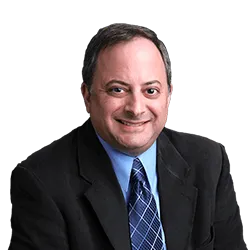
Steven F. Bliss, California Attorney (Bar No. 147856).
Local Office:
San Diego Probate Law3914 Murphy Canyon Rd San Diego, CA 92123 (858) 278-2800
San Diego Probate Law is a practice location and trade name used by Steven F. Bliss, Esq., a California-licensed attorney.
About the Author & Legal Review Process
This article was researched and drafted by the Legal Editorial Team of the Law Firm of Steven F. Bliss, Esq.,
a collective of attorneys, legal writers, and paralegals dedicated to translating complex legal concepts into clear, accurate guidance.
Legal Review:
This content was reviewed and approved by Steven F. Bliss, a California-licensed attorney (Bar No. 147856).
Mr. Bliss concentrates his practice in estate planning and estate administration, advising clients on proactive planning strategies and representing fiduciaries in probate and trust administration proceedings when formal court involvement becomes necessary.
With more than 35 years of experience in California estate planning and estate administration,
Mr. Bliss focuses on structuring enforceable estate plans, guiding fiduciaries through court-supervised proceedings,
resolving creditor and notice issues, and coordinating asset management to support compliant, timely distributions and reduce fiduciary risk.
|